Professional Chico Spray Foam InsulationProfessional Chico Spray Foam Insulation

Basement insulation in Chico CA - a warmer house, with no damp sealed behind it

Cold floors over the basement or a damp, chilly lower level? We put insulation in the right spot, after any water problem is dealt with.

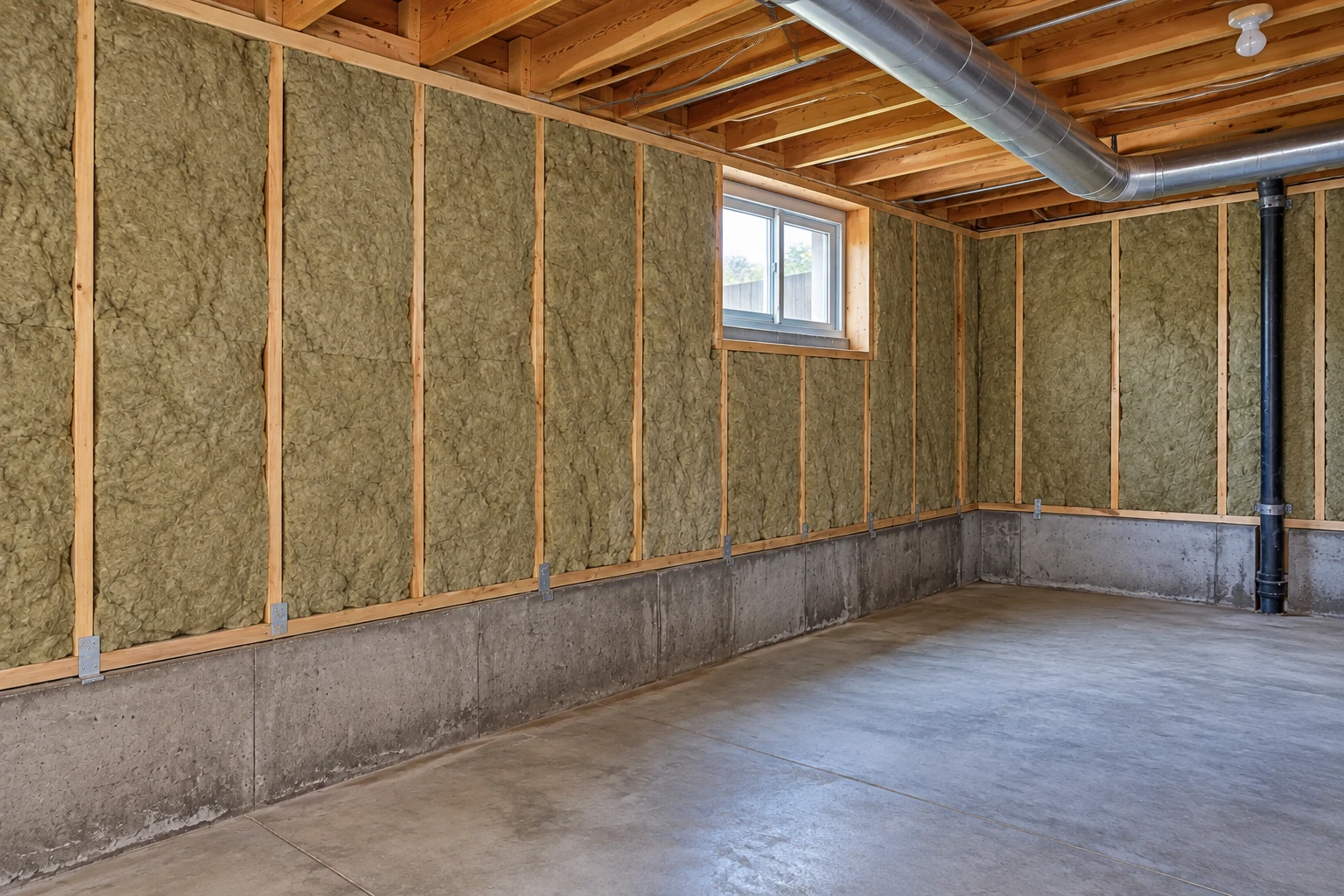
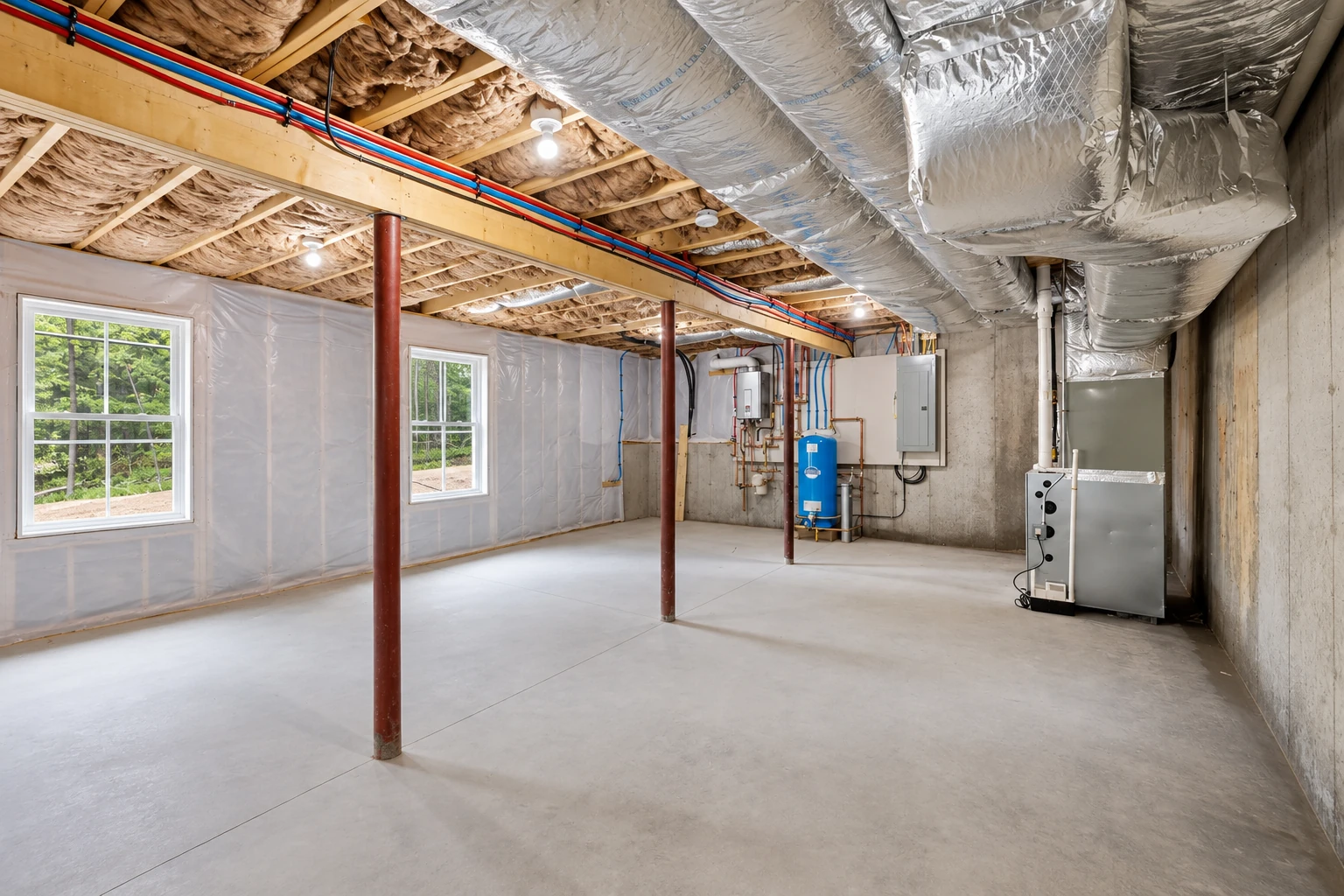
Unfinished basement with insulation between ceiling joists, plastic-covered walls, exposed utility pipes, and large silver ducts.

Basement insulation in Chico goes one of two places. If you use the basement as part of the heated and cooled house, it goes on the basement walls. If you don't, it goes in the floor above, between the joists, so the cold and damp down there stop reaching the rooms you live in.

What does insulating a basement in Chico actually involve?

Most basement calls start upstairs. The floor over the basement feels cold in winter, the room above never quite warms up, or the power bill keeps climbing while the furnace runs. Down below there's often a musty smell, a cool damp wall or old batts sagging out of the joists. All of that tells me where your heat and moisture are going.

The price mostly comes down to where the insulation goes, how many square feet we're covering and which foam fits, plus any old material that has to come out first. The schedule turns on the wall itself, because if there's water to fix, that comes before we start. The written estimate I put together after seeing your basement gives you your own number.

What we check before anything goes in

Most trouble with basement insulation starts before the first piece goes up. These are the things I look at on the estimate visit, and why each one matters for your house.

Insulation that can take damp

Cellulose or fiberglass pressed against a basement wall can soak up a lot of moisture and stay damp most of the time. Plastic sheeting over it on the inside makes that worse, because it holds the water in the wall. So whatever goes against your concrete has to handle some damp without turning into a sponge.

A gas water heater or furnace

If a gas water heater or furnace down there vents on its own draft, with no fan pushing the exhaust up the flue, a best-practice checklist calls for a combustion safety test. It checks that exhaust isn't spilling back into the basement once the space is tighter. I'll flag it on the estimate if you have one.

Damage and old hazards

Before work starts, a basement should be checked for asbestos, lead paint, water coming in, damp and pest damage, with a list of anything found handed to you so it gets fixed first. I put that list on the estimate, because I'd rather wait on a repair than seal a problem behind new insulation.

Radon testing first

The EPA recommends keeping long-term radon exposure at or below 4 picocuries per liter, a measure of radon in the air, and testing is the only way to know your home's level. A basement sits right against the ground, so it's worth testing before the walls get covered, while any fix is still easy to reach.

What happens after you call about your basement?

Here's how a basement job runs with us, from your first call to the walk-through at the end, and who you'll deal with at each step.

  1. 1

    Call or send the form

    Call (530) 399-1513 or fill out the form with what you're seeing down there, and we'll set a time for me to come out and look at the basement.

  2. 2

    I look and write it up

    I check the walls, the floor above, any signs of water and the gas appliances, and note anything that has to be fixed first. You get a written estimate that says where the insulation goes and why.

  3. 3

    Repairs first, then the install

    Any water problem or repair gets handled before we start, by the right trade. Then our crew lead and installers prep the space, cover what's stored nearby and put the insulation in. If a permit applies, the inspection fits in here.

  4. 4

    Final check and walk-through

    I check the work myself before we call it finished. Then we walk you through what went in, where it went and anything worth keeping an eye on down there.

Request an estimate

How we handle basement insulation, and why

The first thing I ask is how you use the basement. If it's a rec room, a bedroom or space you plan to finish, the walls are usually the right place, so the whole room stays inside the warm part of the house. If it's storage you rarely go into, insulating the floor above keeps the cold down there and out of your living space.

A damp wall waits. If I see staining, a white crust on the concrete, wet spots or water coming in, that gets fixed before any insulation goes on, so it goes onto something sound. Sometimes that means another trade comes first. I'll tell you that plainly and wait, rather than cover the problem and leave you to find it later.

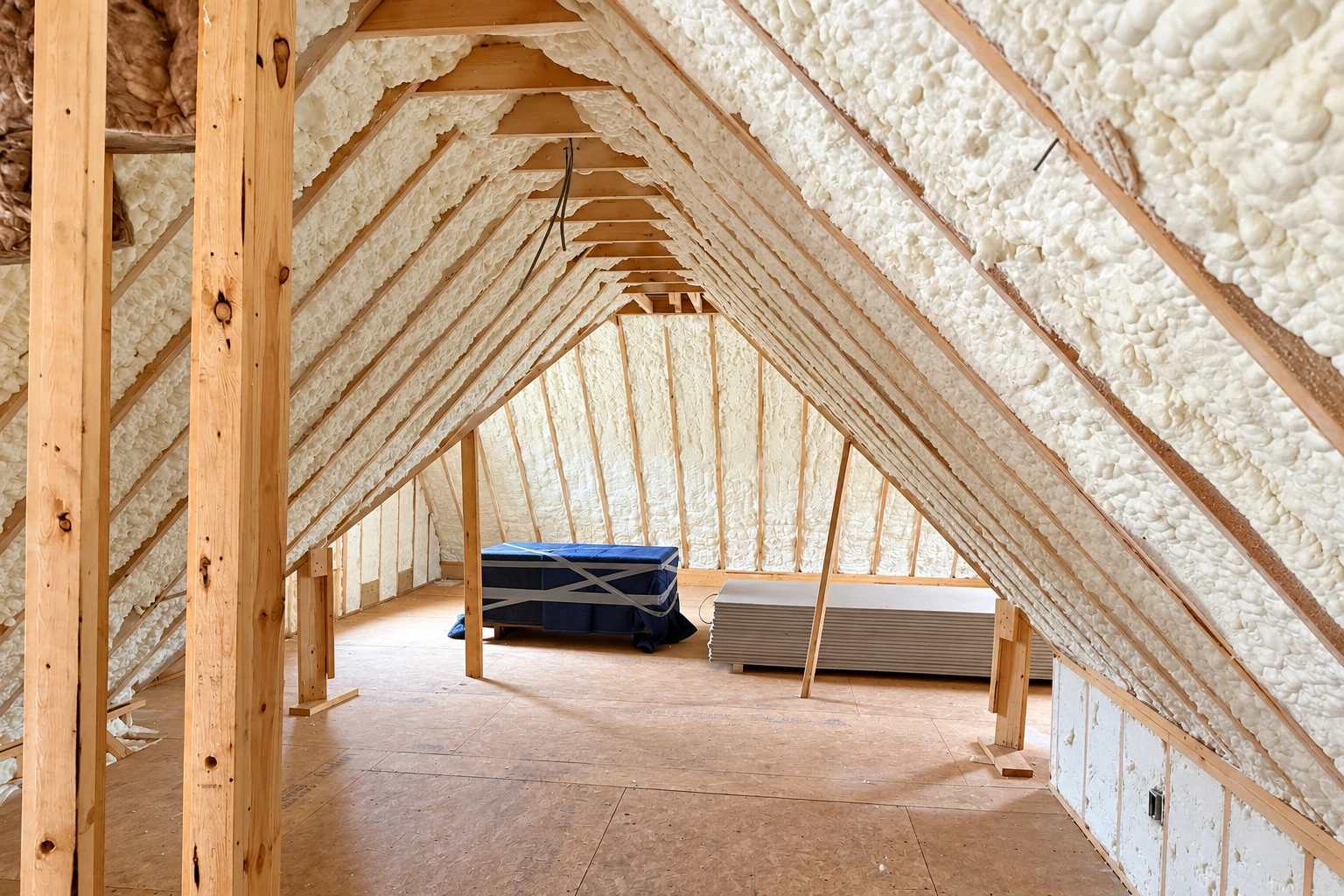
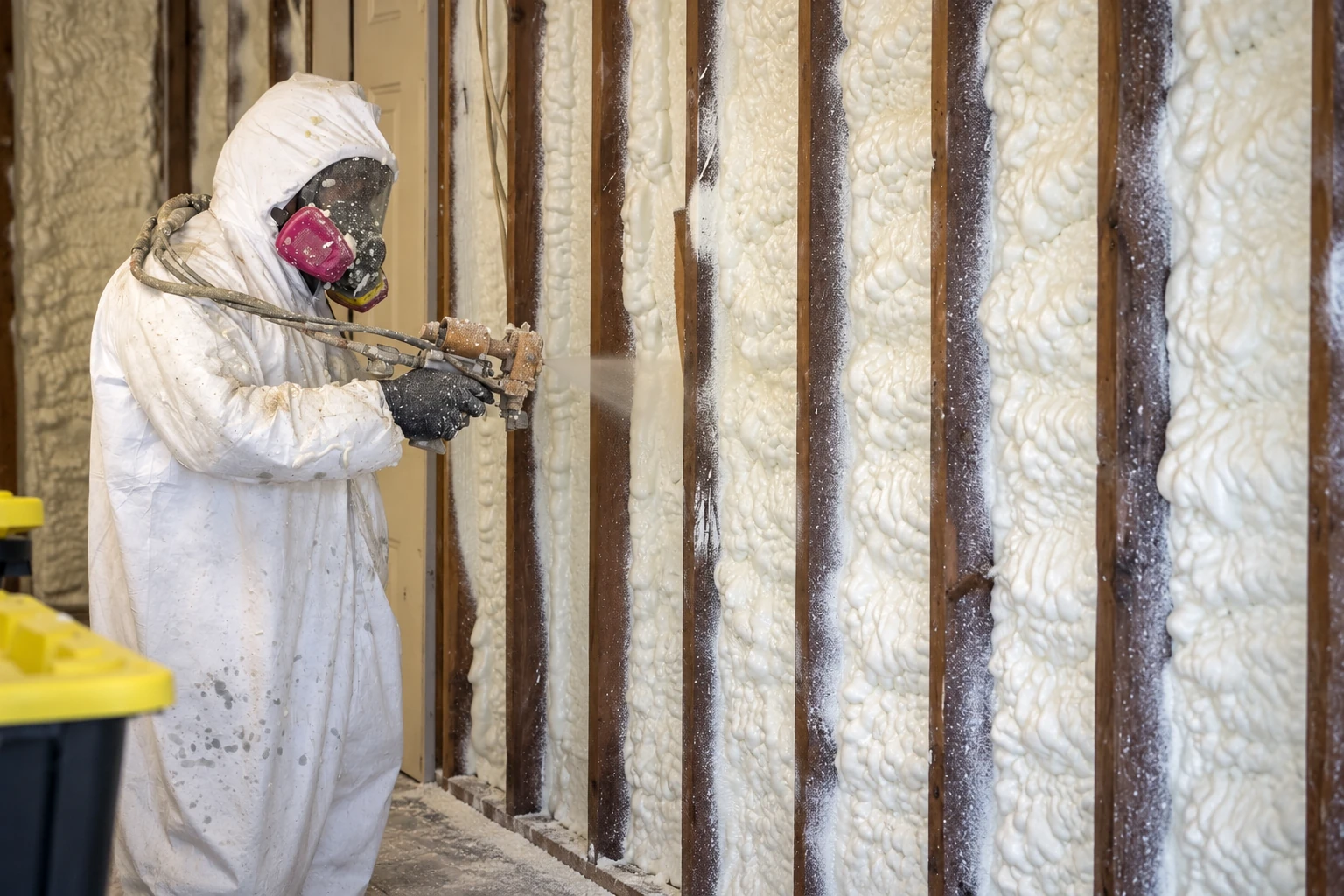
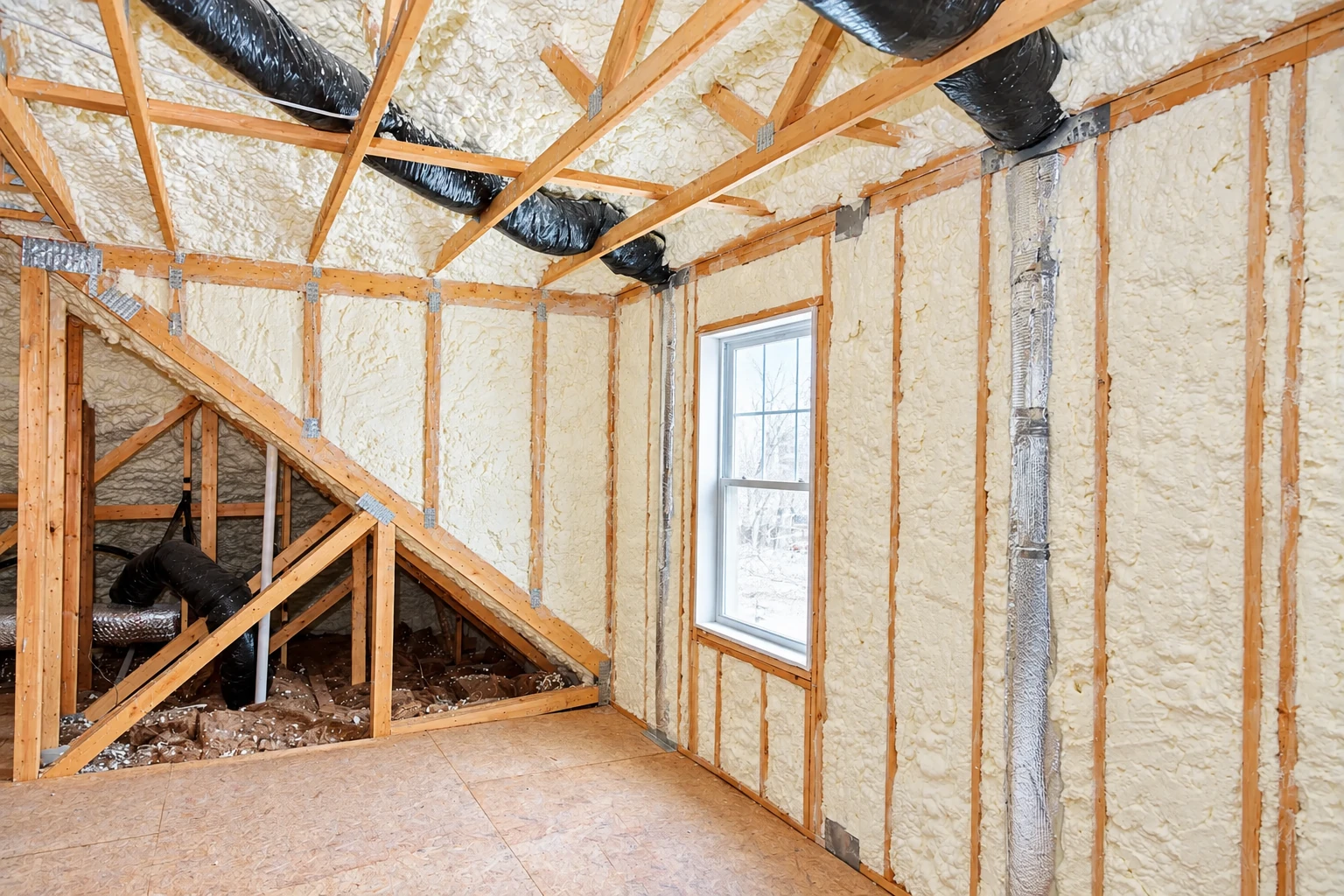
On a sound basement wall I usually lean toward closed-cell foam insulation, a dense foam that blocks moisture and seals air as it goes on. When the floor above is the better choice, open-cell foam insulation is a lighter, less costly foam that fills the joist bays and stops drafts. Foam costs more than loose fill, and I'll tell you when it isn't worth it.

Inside the foundation wall

This is where it goes in almost every existing Chico home, because we can reach the wall without digging around the house. It's the practical choice unless big outside work is already planned.

Outside the foundation wall

This usually only makes sense in new construction, or when you're already digging for foundation repair or drainage. It isn't for places with a termite problem, and it has to be kept dry while it's installed.

Get a written basement insulation estimate on site

We reply within one business day to set a time, and the estimate is free, done on site, with no obligation. Once you send the form, I come out, look over the basement and the floor above, and write up where the insulation should go and what has to be fixed first.

(530) 399-1513

info@insulationchico.com

Basement insulation permits and licensing in Chico

The City of Chico requires a building permit for altering, repairing or improving a building, apart from a list of exemptions, and that rule alone doesn't settle whether your basement job needs one. We check before we start. If it does, we handle the application and inspection with the city or county office that covers your address and tell you which one that is. The city's building permit information is there too.

In California, someone without a contractor's license can only take a job under the state's $1,000 limit, and only when it needs no permit and they have nobody working for them. The city also asks a contractor for a City of Chico business license number and a state contractor's license number when they first apply for a permit, so ask every bidder for both.

We're based in Chico and do the same work in the cities around it, including Durham and Oroville. Many of the basements we're called to sit under older homes and hold the water heater or furnace, so that gas appliance check comes up a lot.

Why Chico homeowners call us for basement insulation

I grew up on a farm where you fixed things yourself and fixed them right the first time. I learned insulation on other contractors' crews and started Professional Chico Spray Foam Insulation here in 2020, so we've been at it six years. I'm the one who comes out, looks at your basement and writes the estimate, so the person who saw the problem is the one who priced it.

We're licensed and insured. Satisfaction guaranteed on every job. If your floors are cold or the basement smells damp, call (530) 399-1513 or send us a message, and I'll come take a look.

Closed-cell foam insulation

Worth a look if you're finishing the basement and want walls covered with dense foam that stands up to damp concrete.

Open-cell foam insulation

A good fit when the basement stays unfinished and you'd rather seal and insulate the floor between the joists for less.

Cities we work in around Chico

These are the cities around Chico with their own page on our site. They aren't the only places we work, so if you don't see yours, give us a call and ask.

Basement insulation questions from Chico homeowners

Should I insulate my basement walls or the floor above in Chico?

Insulating the walls generally performs better, while the floor above usually costs less. Walls take more insulation and more labor, so plenty of owners insulate the floor to save money, especially in an existing house. If you use the basement or plan to finish it, I'll usually point you toward the walls.

Can insulation trap moisture in my basement?

Yes, insulation put on basement walls before the moisture is fixed can hide the problem, and sometimes it traps water and makes things worse. The damp keeps working behind it where you can't see it. That's why I look for water at the estimate and hold off on a damp wall, as I said above.

How much does basement wall insulation cost?

Across the US, insulating basement walls usually runs about $4.50 to $6.40 per square foot of wall. That's a national figure, not a Chico price, and the foam, the wall area and any repairs before we start all move it. For your own number, I'll measure and price it on site.

Do I have to leave the house while my basement is spray foamed?

With spray foam, usually yes, for the re-entry time, the wait before people and pets can come back inside. How long depends on the foam and how the space gets aired out, so I'll tell you before we book the day and you can plan for the kids and pets.

How do I get my basement ready for insulation?

Clear a few feet away from the walls you want insulated and move anything you don't want dusty. Tell me about any leaks, stains or musty smells you've noticed, even old ones, because those decide whether we insulate now or fix the water first. Our crew covers whatever has to stay.

Call or send us your basement details

Call (530) 399-1513 or use the form and tell us roughly how much basement wall you have, what you plan to use the space for, any signs of water and whether a gas water heater or furnace sits down there, so I show up knowing what to look for.

(530) 399-1513Request an estimate