
Spray foam insulation
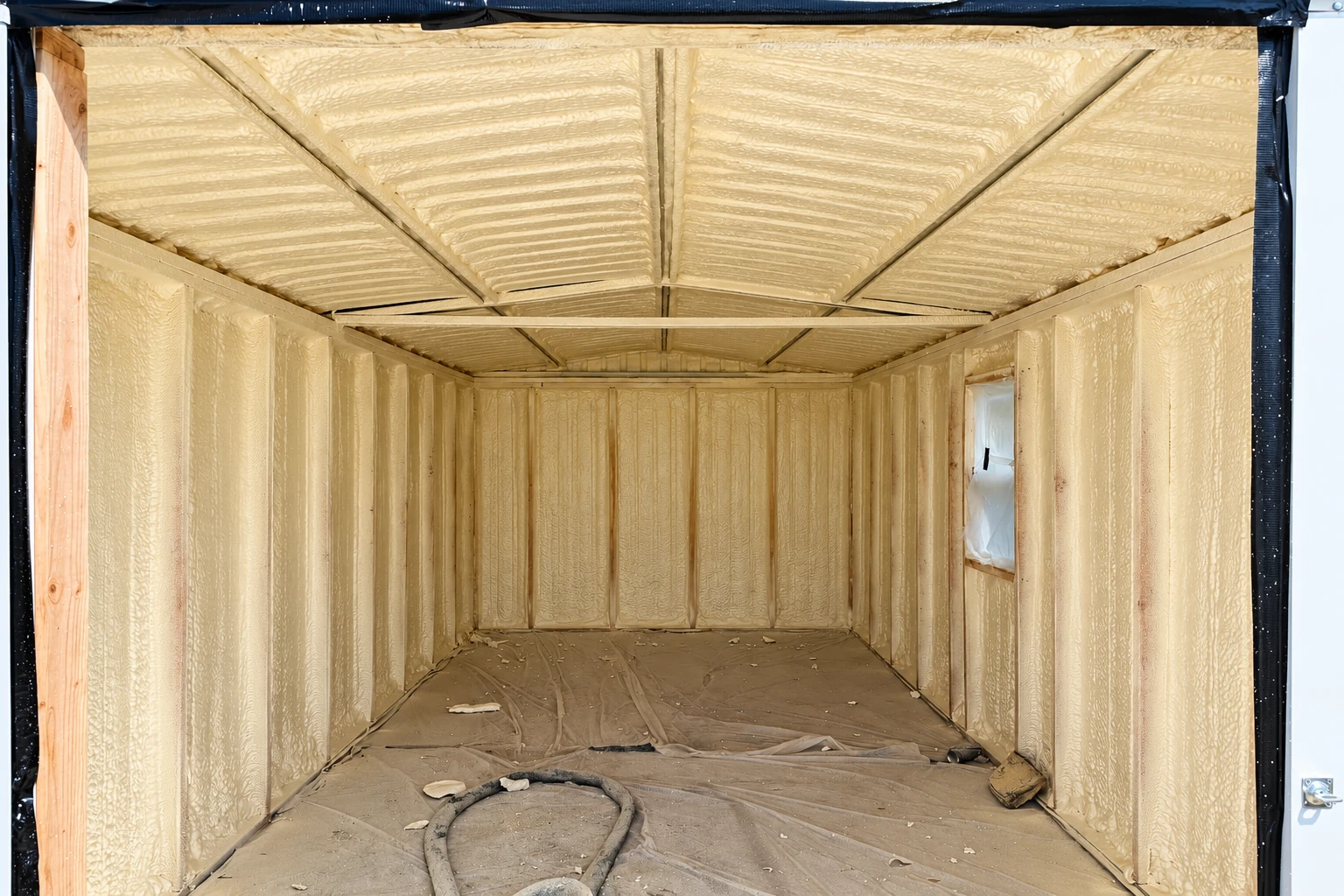
Spray foam makes sense when ducts run through the attic or a room over the garage won't hold its temperature, because it seals air and insulates in one pass.
Professional Chico Spray Foam Insulation insulates attics, crawl spaces and walls for homeowners in Corning, CA. We seal the gaps first, clear out old or damaged material when it needs to go, then add spray foam or blown-in insulation.
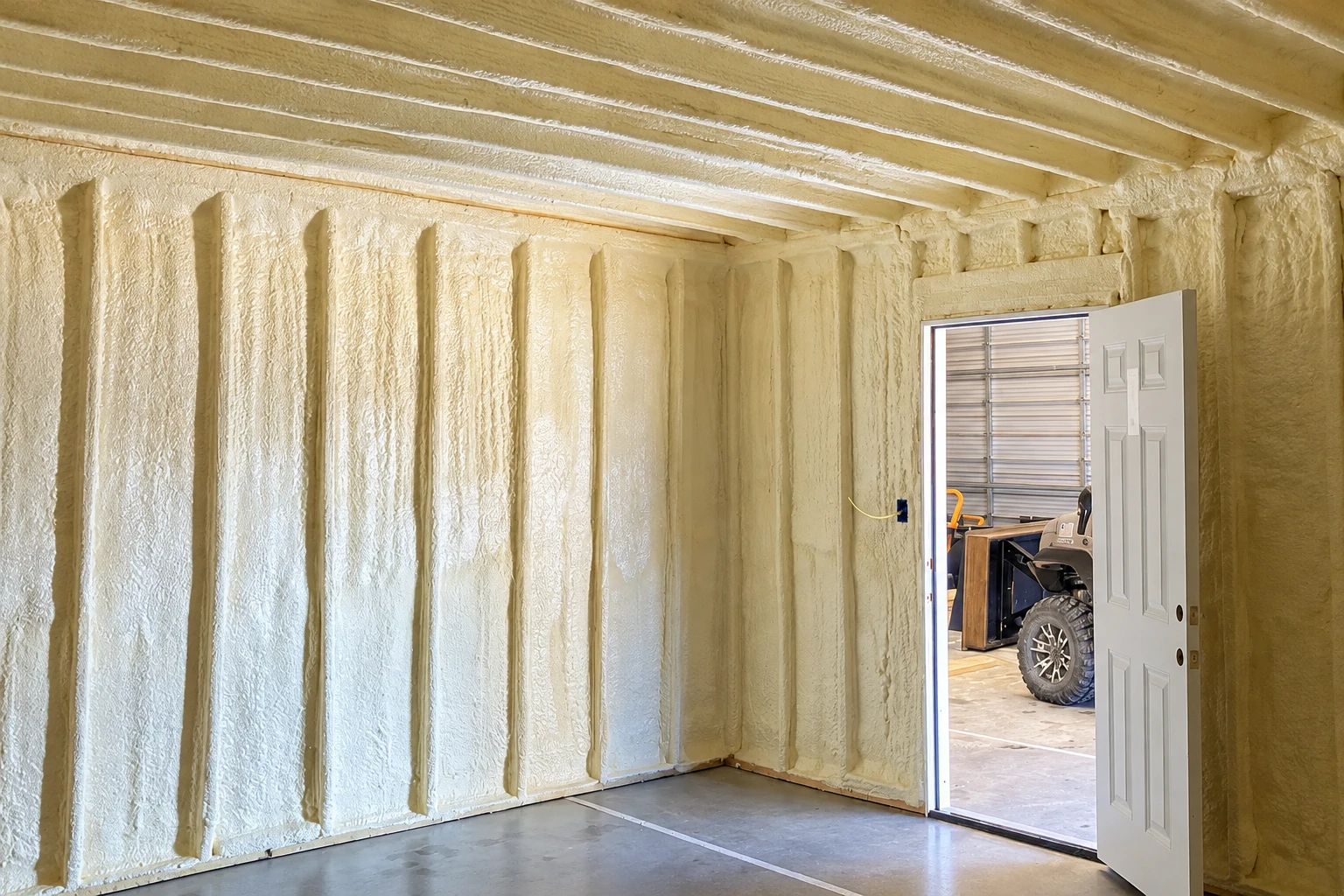
Professional Chico Spray Foam Insulation insulates attics, crawl spaces and walls in Corning. Most calls here start with a drafty room, cold floors, a hot room over the garage or a power bill that keeps creeping up. We also do air sealing, which means closing the gaps before we insulate, and we pull out old insulation that's past saving.
We're an insulation contractor based in Chico, CA, and Corning is one of the cities around it where we do the same careful attic and crawl space work. In the older houses we see, the attic fill has often settled to a few inches. The edges over the outside walls are usually thinner than the middle, and nobody ever sealed around the can lights or the hatch.
I measure before I quote. I check how many inches are already up there, how old the house is and whether the old material is dry and clean. Fresh insulation laid over soaked fill or rodent droppings just keeps the problem in your house. I also look at the eave vents, because if they get buried the attic stops breathing and moisture ends up in the framing.
Spray foam makes sense when ducts run through the attic or a room over the garage won't hold its temperature, because it seals air and insulates in one pass.
We bring the attic up to an even depth from wall to wall and keep the eave vents open, so the rooms below stay comfortable and the attic can still breathe.
Blown-in insulation is loose fill blown through a hose. It tops up an existing attic without tearing anything open, and it fills around wiring and framing that batts leave gaps beside.
When several rooms feel drafty or the power bill keeps climbing, I look at the attic, walls and crawl space together so we fix the weakest spot first.
When old insulation is wet, moldy or full of rodent mess, we bag it and vacuum it out so the attic starts clean before anything new goes in.
Cold floors usually trace back to the crawl space, where old batts have sagged or dropped out from between the floor joists and left the subfloor bare.
Older walls are often empty or thinly filled. We can usually insulate them through small holes that we patch afterward, so you don't have to gut the room.
We close the gaps around can lights, pipes, wiring and the attic hatch, because drafts coming through those spots blow right past new insulation.
If your house has a basement or a partly below-grade room, we insulate its walls so the space holds heat better and feels less damp.
Closed-cell foam is a dense foam that blocks moisture. It fits crawl spaces and rim joists where damp air keeps getting in, though it costs more than other options.
Open-cell foam is softer and lighter. It suits rooflines and walls where you want air sealing and quieter rooms, and where moisture isn't the main problem.
We insulate shops, offices and outbuildings around Corning. We match the material to how the building is used and work around your hours where we can.
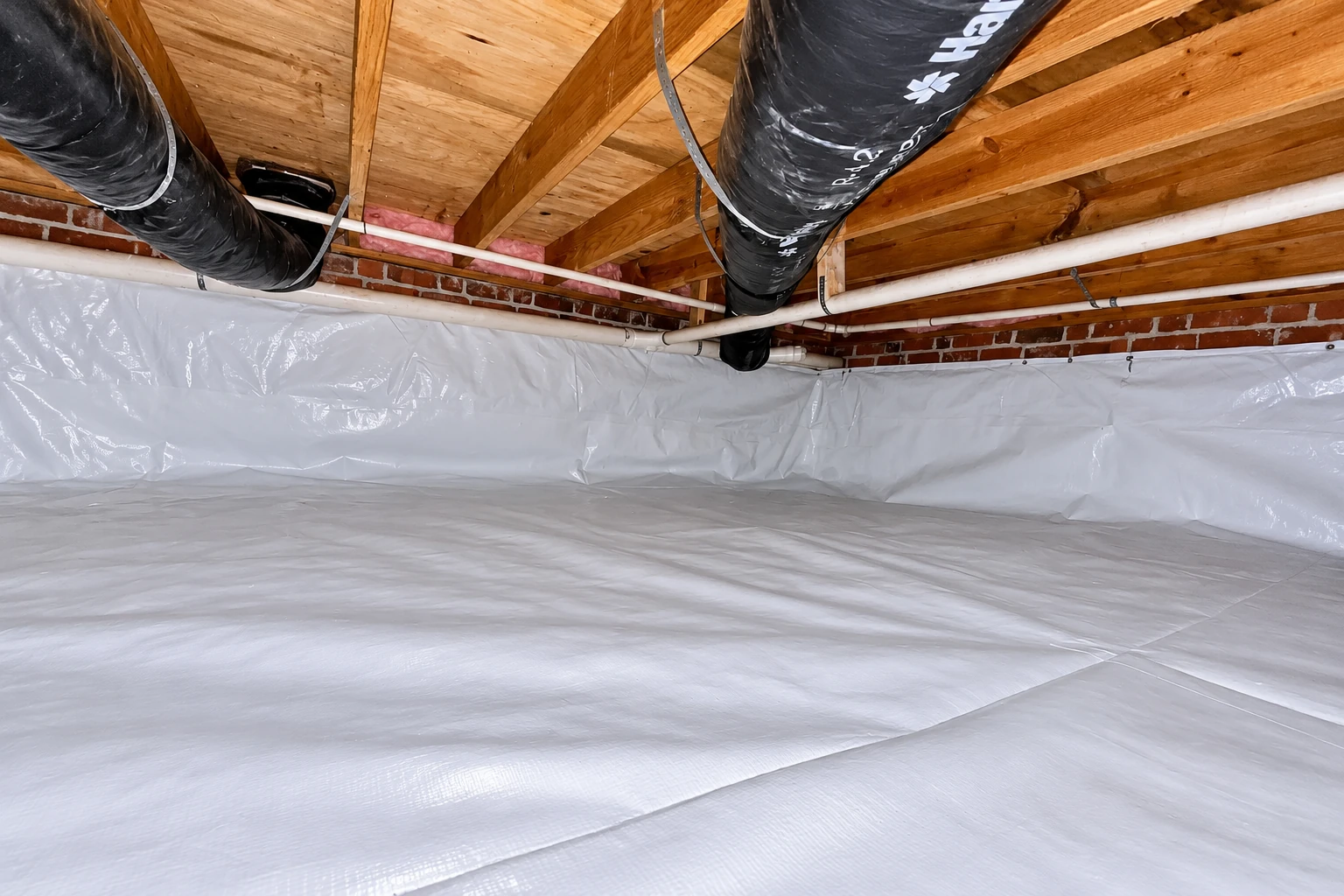
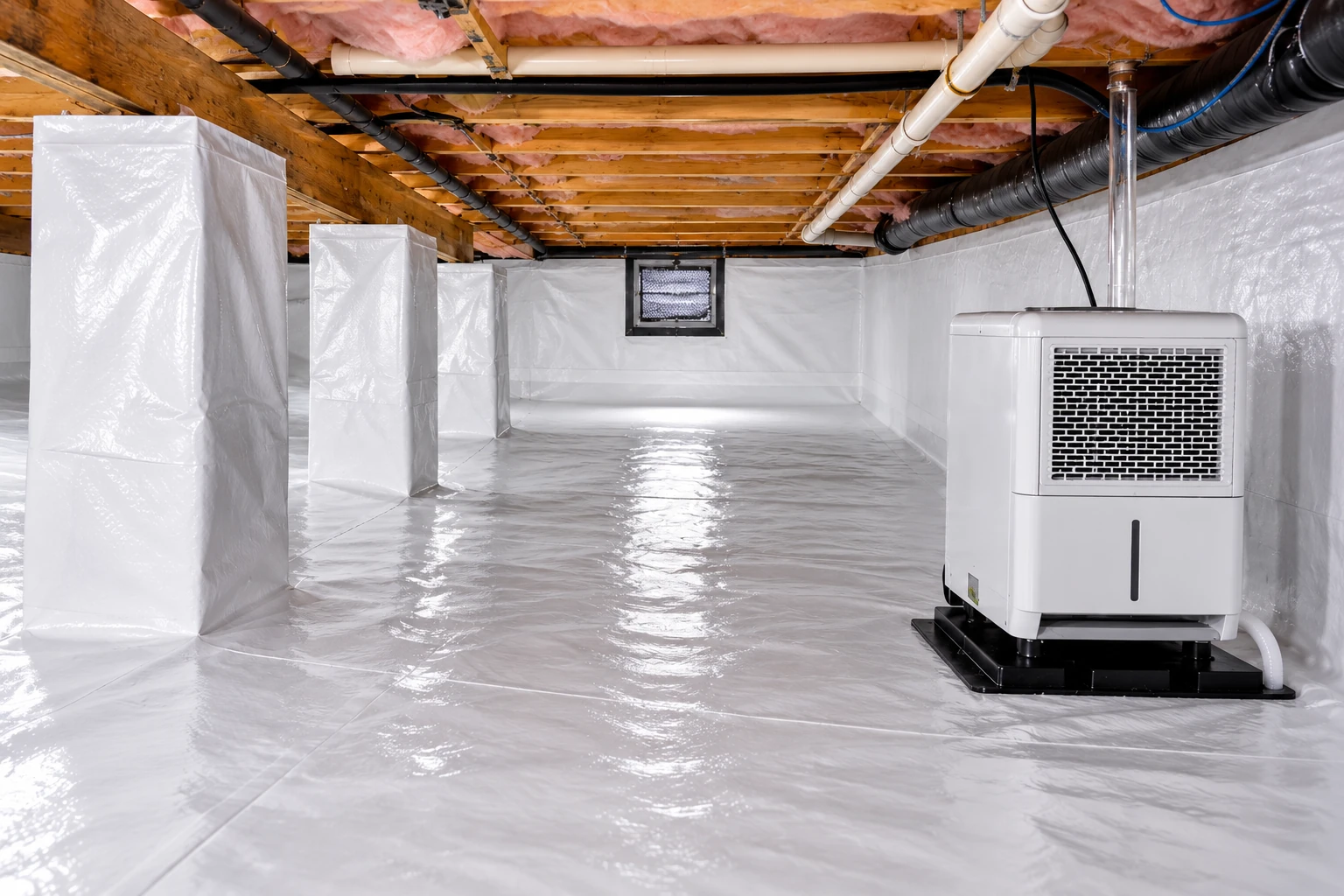
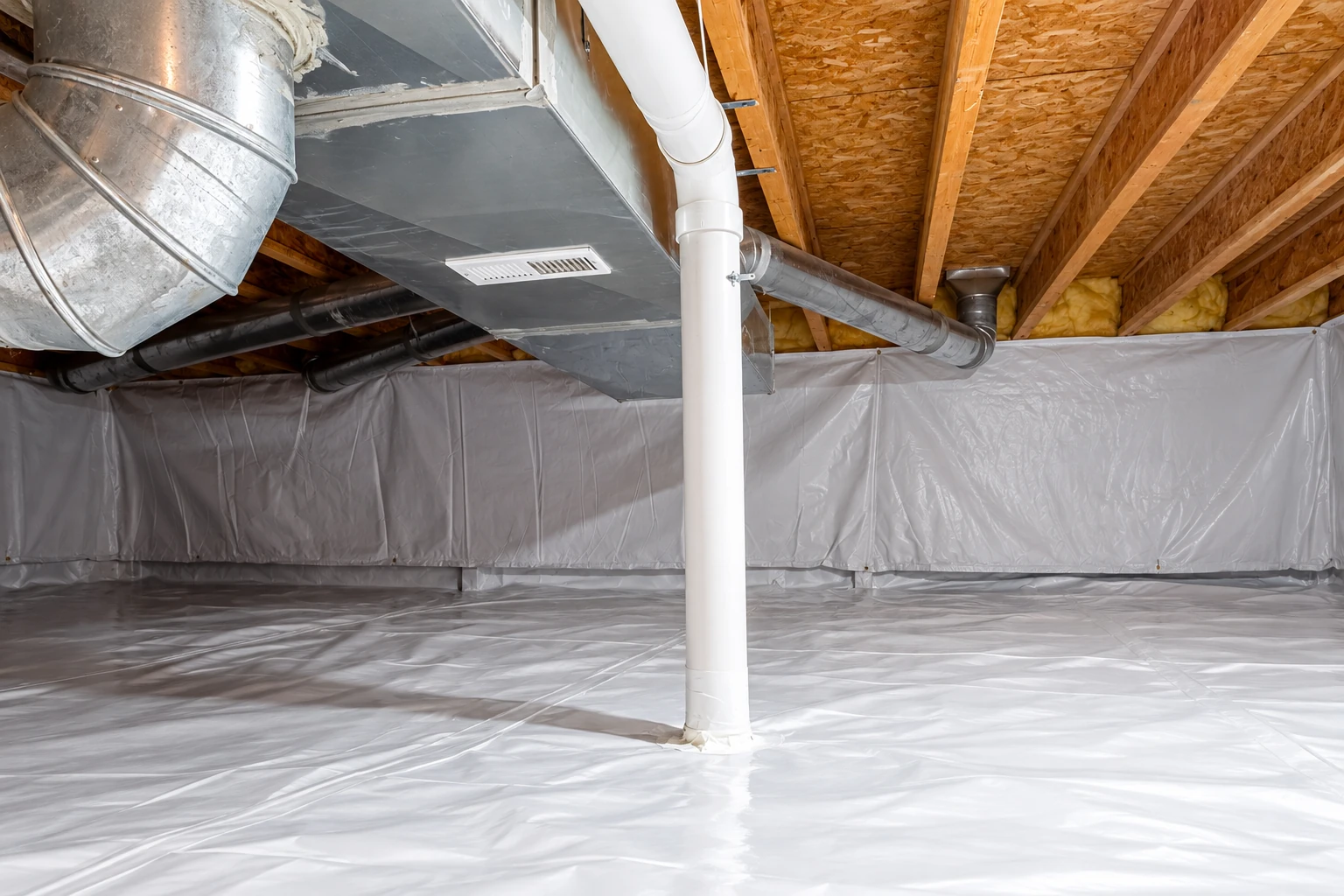
A vapor barrier laid over a dirt crawl space floor keeps ground moisture from rising into the floor framing and into the insulation we put there.
We put the vapor barrier on the side of the wall or ceiling where the house needs it, because one on the wrong side can trap moisture in the framing.
Before any insulation goes into the attic, we seal the top plates, wiring holes and hatch so the rooms below stop pulling attic air through the ceiling.
Retrofit work adds insulation to a finished house without a remodel. It's the usual fix for an older home that was built with very little insulation.
We reply to calls and form messages within one business day. I'll come out to your Corning house, look at the attic or crawl space and write the estimate on site, free and with no obligation. If you go ahead, our crew lead and installers do the work, and I check it before we're done.
(530) 399-1513In Corning, building permits come from the city's Building and Safety department. Its list names remodels, additions, re-roofing and electrical or mechanical repairs, but it doesn't name insulation on its own. So before we set a date, I find out whether your job needs a permit. If it does, we handle the application and the inspection and tell you which office it went through. That step comes first in the schedule.
Two things are worth checking on any contractor you hire here. The Contractors State License Board licenses contractors across California, and the city only issues building permits to licensed contractors or to owners pulling their own. Corning also requires a current city business license for any business doing work inside city limits. That license renews every year in July.
The price depends on the size of the attic or crawl space, how easy it is to reach and whether old material has to come out before new goes in. The schedule turns on whether a permit or another trade has to go first. I put your figure on the estimate after I've seen the space, the same way we do for homes in Orland and Willows.
I grew up on a farm, where you fixed a thing right the first time because nobody was coming to fix it for you. I learned insulation on other contractors' crews and started this business in Chico in 2020. We're licensed and insured, and we're best known for attic and crawl space work where nothing gets skipped.
I'm the one who comes out to your house and writes the estimate. Our crew lead and installers do the work, and I check it before we're done. I look for the things that usually go wrong on these jobs, like a thin edge over the walls, an unsealed hatch or an eave vent buried under fill. We stand behind one promise: satisfaction guaranteed on every job.
Maybe your house has a drafty room, cold floors or an attic you're not sure about. Call (530) 399-1513 or send us a note through our contact form, and I'll set a time to come out to Corning and take a look before anyone talks numbers.
Most insulation jobs here run into the city's building rules somewhere along the way. These are the spots where that happens and how we plan for them.
Corning requires permits and inspections for electrical, plumbing and mechanical repairs. If I find old wiring, a leaking pipe or a duct that needs work before we insulate, that repair goes to the right trade and through the city first. I'd rather tell you and wait than bury a problem under new insulation, because getting back to it later means pulling our work out.
Remodels, additions and new construction all need a building permit from the city. When our insulation is part of a bigger project like that, we time it to the builder's schedule and that project's inspections. Jobs with demolition or new construction also have to meet the California Green Building Code, and that comes with its own paperwork for whoever runs the project.
Any new building or structure larger than 120 square feet needs a city permit. A new shop, studio or storage building you plan to insulate starts with that permit, and setbacks apply to every building whether it needs a permit or not. Once the structure is up and approved, we can plan the insulation around how you'll heat, cool and use the space.
The Building Department enforces Title 24, California's energy rules, along with the state building, mechanical, electrical and fire codes. Those are the rules a permitted insulation job gets checked against. When a job needs a permit, I check our plan against what the city expects before we start, so the inspection doesn't turn up something we'd have to redo.
Yes. Re-roofing needs a permit and inspections, according to the city's permit requirements page. If you're replacing the roof anyway, it's a good time to have me look at the attic. With the roofer already on the schedule, we can plan the air sealing and insulation around that work.
An inspection request that reaches the city before 4:30 PM is done on the next business day. When one of our Corning jobs needs an inspection, we make that request ourselves and plan the crew around it, so your attic isn't left half done while we wait.
The state licensing board says a contractor on a home improvement job can ask for or take no more than $1,000 or 10 percent of the contract price, whichever is less. Any other payments have to be listed in the contract and tied to work already done or materials already delivered. Read the payment schedule before you sign.
I can't give you a fair number until I've seen your attic. The price turns on how much insulation is already up there, whether it has to come out and how many gaps need sealing. Spray foam costs more and seals air as it insulates. Sealing the gaps and topping up loose fill usually wins, unless your ductwork runs through the attic.
I'll tell you how long on your estimate, because it depends on whether old material comes out first and how much sealing there is. With blown-in work you can usually stay home. With spray foam, the foam maker sets the re-entry time, which is when you, the kids and the pets can come back in. We tell you those hours before we start.
Clear a path to the attic hatch and move anything stored under it or up in the attic, because our crew needs room to work and run hoses. Keep pets in a closed room while we're there. If your hatch is in a closet or the garage, mention it when you call so we can plan around it.
We're open every day from 8 AM to 9 PM. Call (530) 399-1513 or leave a note through our contact form and tell me which rooms bother you, so I come out to Corning knowing where to look first.