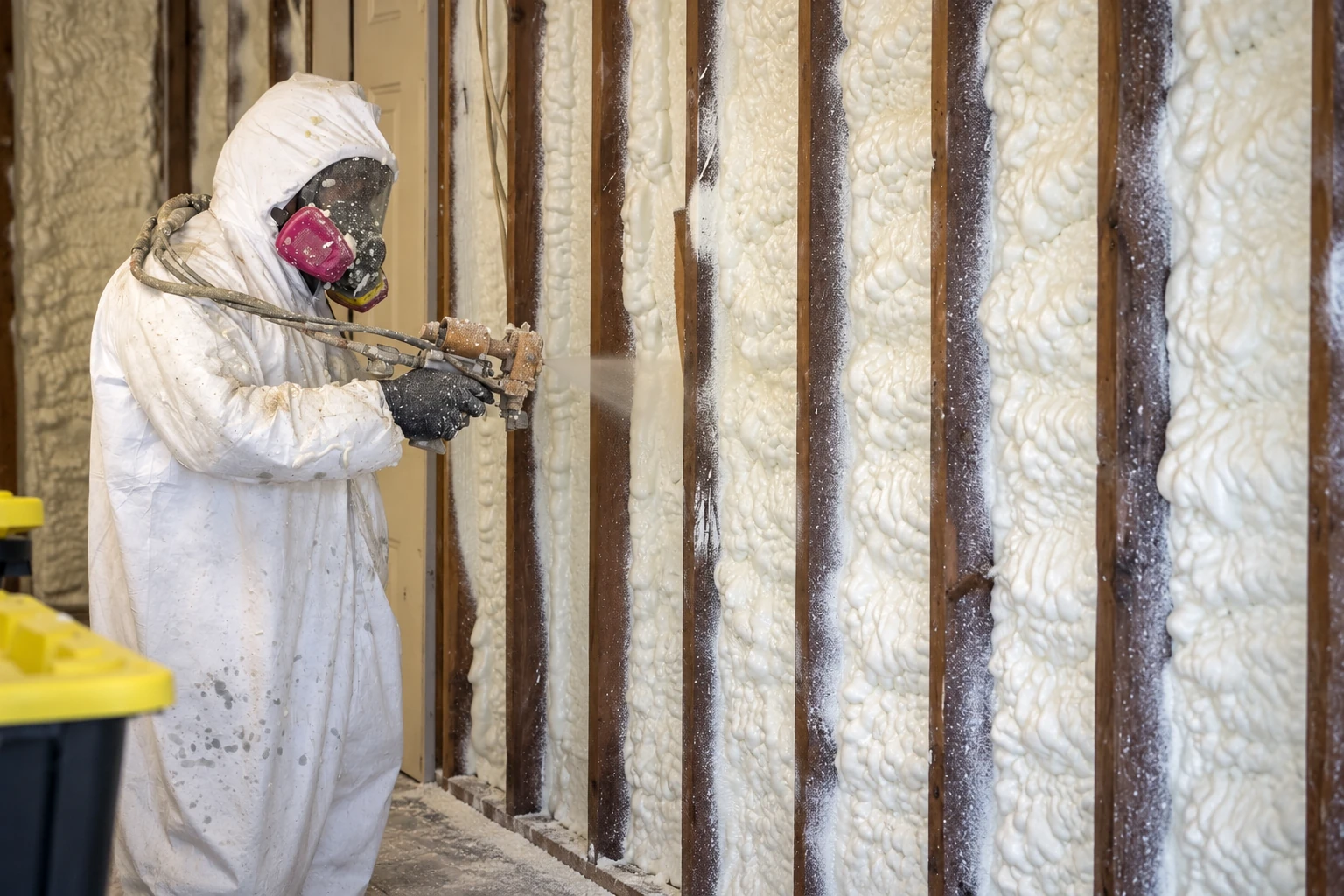
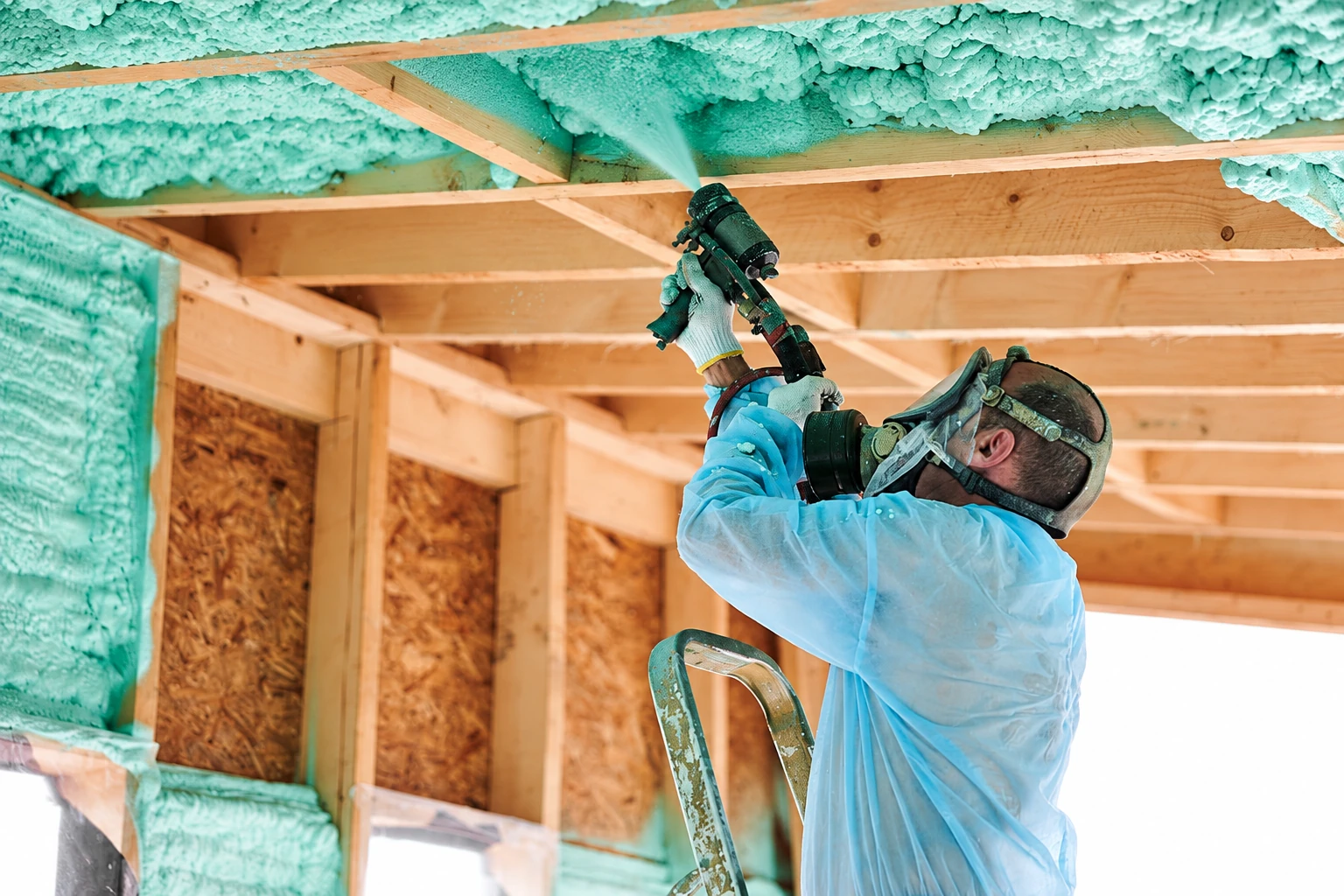
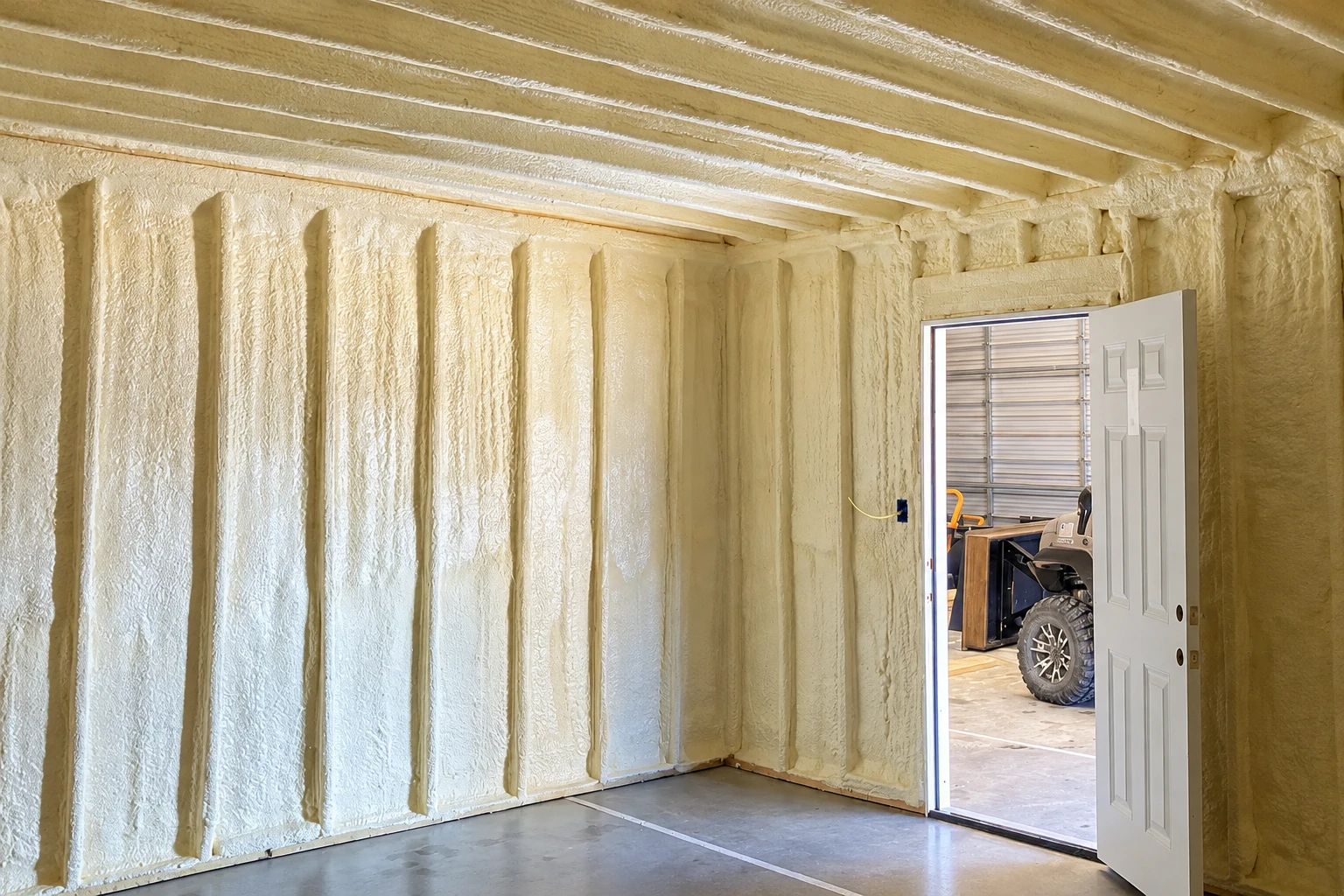
Spray foam insulation
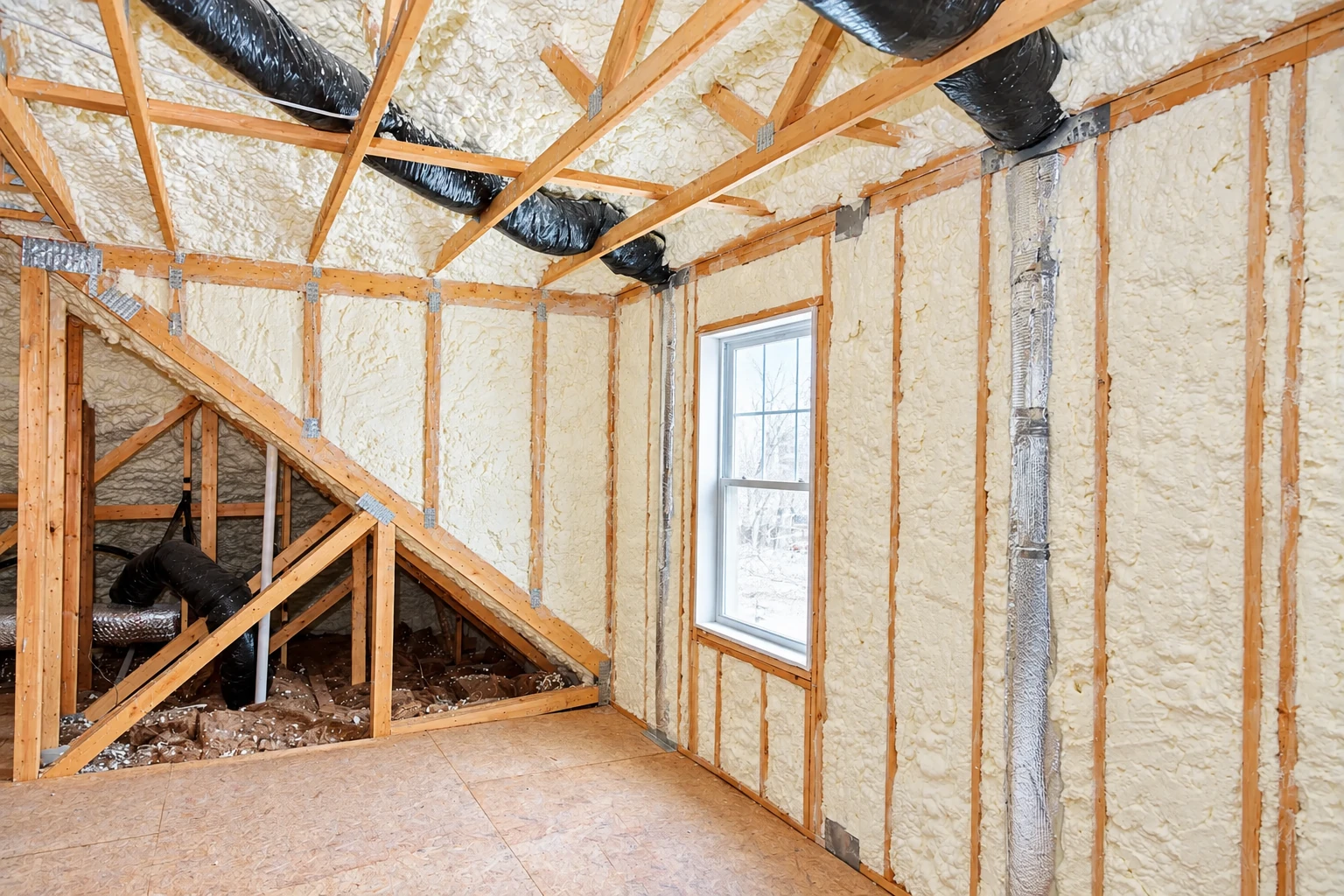
Spray foam makes sense when ductwork runs through your attic or the room over the garage won't cool down, because it seals air and insulates in one pass. It costs more, so I'll tell you when loose fill will do.
Professional Chico Spray Foam Insulation is an insulation contractor in Chico, CA, and we work in Gridley too. We insulate and air seal attics, crawl spaces and walls, and we pull out old insulation first when it's soaked or dirty.
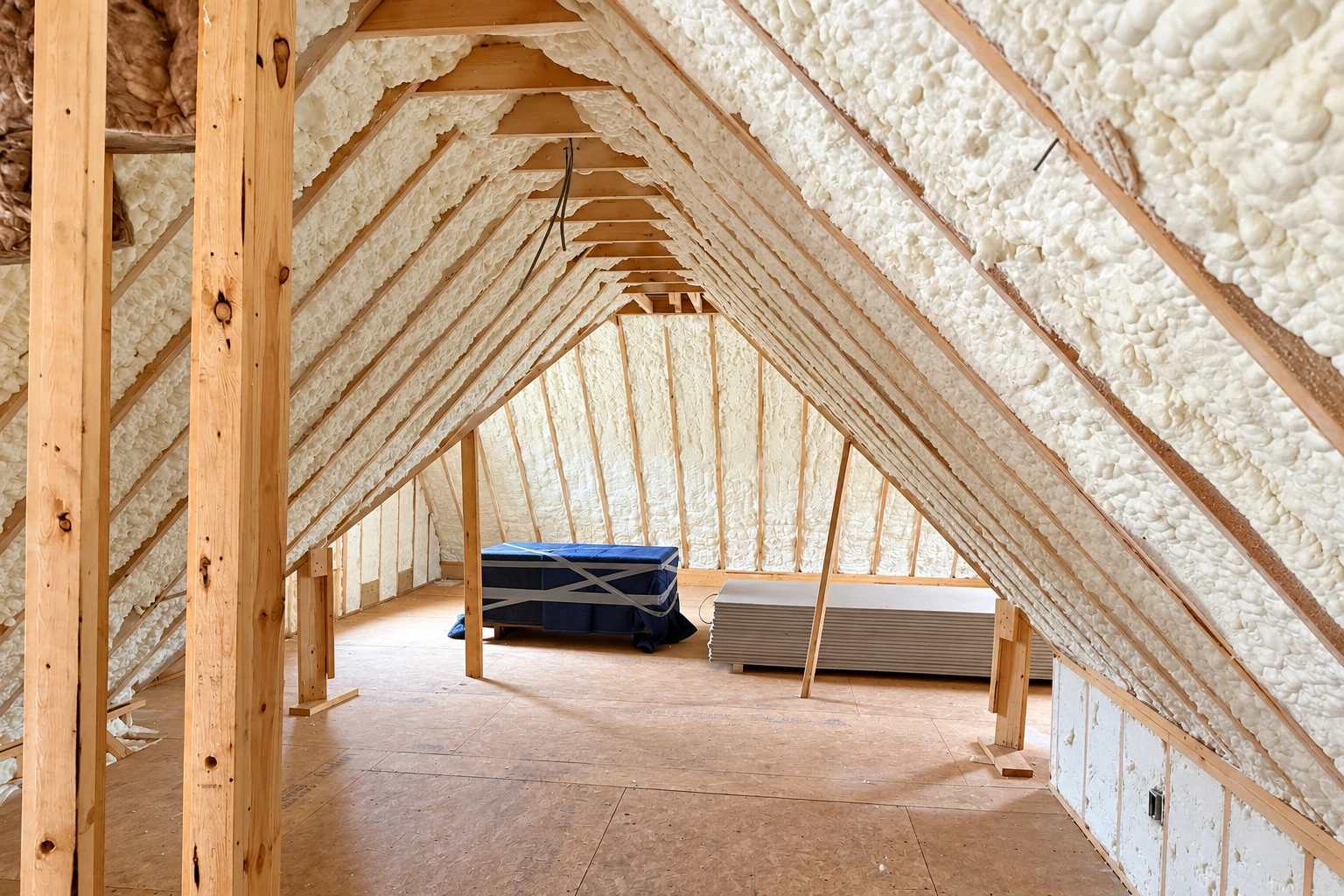
In Gridley, Professional Chico Spray Foam Insulation tops up and replaces attic insulation and does air sealing, which means closing the gaps that make rooms drafty. We also insulate crawl spaces and walls, and we spray foam where it's worth the cost. I drive down from Chico to look at each house before anything gets priced.
Gridley calls itself an agricultural community, and the calls we get here sound a lot like the ones around Chico. Someone has a hot upstairs, a room over the garage nobody wants to sleep in, cold floors over the crawl space, or a power bill that keeps creeping up. Others just bought an older house and want to know what's really in the attic.
Every one of those calls starts the same way. I go up in the attic or crawl under the house, measure how many inches are already there, and check whether it's clean and dry. That tells me whether you need a top-up, a cleanout or something more. It's the same look we give houses in Live Oak and Oroville.
Spray foam makes sense when ductwork runs through your attic or the room over the garage won't cool down, because it seals air and insulates in one pass. It costs more, so I'll tell you when loose fill will do.
Most calls about drafty rooms or a high power bill end up in the attic. We measure how many inches you already have and check that it's clean and dry before adding anything.
Blown-in insulation is loose fill blown through a hose, and it's usually the cheapest way to top up a thin attic. We spread it evenly out to the edges and keep it off the eave vents.
When the whole house feels drafty, we look at the attic, the walls and the crawl space together, so your money goes first to the spot that's losing the most heat.
When old insulation is soaked, matted or full of droppings, we pull it out and clean up before anything new goes in, because covering it over just keeps the problem.
Cold floors usually point to the crawl space. We check for moisture and pests down there first, then insulate under the floor so the new material stays up and stays dry.
Walls in older houses are sometimes empty or barely filled. We check a few spots first, then fill the cavities so the rooms along the outside walls stop feeling cold.
We seal the gaps around pipes, wires, lights and the attic hatch before any insulation goes on. It's often the cheapest step on the job, and it's the one that stops the draft.
If your Gridley house has a basement or a dug-out lower room, we insulate its walls and the framing along the top of them so the floor above stays warmer.
Closed-cell foam is dense foam that also blocks moisture, so we use it where dampness is the problem, like crawl space walls. It's the priciest option, so we only use it where it pays.
Open-cell foam is lighter and softer. It fills odd-shaped spaces and quiets noise, so it suits rooflines and inside walls where moisture isn't a concern and closed-cell would cost more than it's worth.
For shops, offices and farm buildings in and around Gridley, we insulate walls and roofs and seal the gaps, and we schedule the work so your business keeps running.
A vapor barrier is plastic sheeting laid over the crawl space dirt to keep ground moisture out of the floor framing. We lay it before we insulate under the floor, so the insulation stays dry.
We install vapor barriers where moisture would otherwise work into insulation or framing. Before we do, we check that the space can still dry out, because a barrier in the wrong spot traps water.
Attic air sealing closes the holes around can lights, plumbing pipes and the hatch, where a lot of the draft comes from. We do it before topping up, because once the fill is down those gaps are buried.
Retrofit insulation means adding insulation to a house that's already built and lived in. We work through the attic, the crawl space and the existing walls without tearing out finished rooms.
We reply to every call and message within one business day. After that, I drive down to Gridley, look at your attic or crawl space myself and write the estimate on site, free and with no obligation.
(530) 399-1513In Gridley, building permits come from Butte County, not the city. The city's building inspection page says its inspections are now done by the county's building division in Oroville, which handles permits, plan review and inspections for new projects in Gridley. If your job needs a permit, that review and inspection become part of the schedule. We handle the application and the inspection with the county and tell you it's the office for your address.
Price comes down to what's already in your house. Old insulation that has to come out, a lot of gaps to seal, a tight crawl space or a job that needs foam all push it up. A clean attic that only needs a top-up keeps it down. The schedule depends on the same things, plus any permit review. I work out your figure at the estimate, the same way I do for homes up in Willows.
I grew up on a farm, where you fixed things right the first time. I learned insulation on other contractors' crews and started this business in Chico in 2020. I'm the one who comes out to Gridley, looks at your house and writes the estimate. Our crew lead and installers do the work, and I check it myself before we call the job done.
The order of the work matters more than the material. If your attic has a roof leak or wiring that needs an electrician, I'd rather tell you and wait than bury it under new insulation. We're licensed and insured, and it's satisfaction guaranteed on every job. Call (530) 399-1513 or use the form on this page, and I'll set a time to come out.
These four things decide whether insulation actually works in your house. They're also the mistakes I see most often after a rushed job. We check each one before we price yours.
If the insulation in your attic or crawl space was ever soaked by a leak or is full of droppings, new material on top just seals the problem in. Out in farm country, dust and mice tend to find their way into attics, so I look closely before deciding anything. When it has to go, we pull it out and clean up, then start fresh.
The gaps around can lights, plumbing pipes, wires and the attic hatch let air straight through, and insulation can't stop moving air. That's why we seal them before we add anything on top. If you skip that step, you can pile on inches and still have a drafty room and a high power bill, because the new insulation is working against a draft the whole time.
Your attic breathes through the vents at the eaves, along the low edges of the roof. If blown-in insulation buries them, air stops moving and moisture starts showing up in the framing. Rushed jobs also tend to leave insulation deep in the middle and thin at the edges, which is backward. We keep the vents open and carry full depth right out to the edges.
Spray foam costs more, and it seals air while it insulates. In most attics, sealing the gaps and topping up loose fill does the job for less money, and I'll tell you so. The exception is when your ductwork runs through the attic. Then foam along the roofline puts those ducts inside the insulated space instead of leaving them out in the heat.
In many cases, yes. Butte County's building division page has a Permit Portal where homeowners and licensed contractors can apply for and receive building permits, track the application and request inspections. The city sends anyone planning a new project to the county to find out whether their permit can be done that way. On our jobs, we take care of that part.
Butte County reviews applications submitted after 3:00 pm on December 31, 2025, under the 2025 Building Standards Codes, so anything you apply for now falls under those. That's the county's own stated review practice. If your insulation job needs a permit, we do the work to the codes the county is reviewing against.
I can't give you an honest number without seeing your attic, because the biggest factor is what's already up there. If the old insulation is clean, sealing the gaps and topping it up is usually the cheapest fix, and I'll say so even when foam would mean a bigger job for us. Call (530) 399-1513 to set up a visit.
For blown-in insulation and air sealing, most families stay home, because the work happens up in the attic. Spray foam is different. You, the kids and pets stay out until the re-entry time, meaning when it's safe to come back in, and the foam maker sets that wait. I'll tell you exactly how long it is when I write the estimate.
That depends on how big the attic is, whether old insulation has to come out first and how many gaps need sealing, so I give you the schedule once I've seen it. To get ready, clear a path to the attic hatch and move anything stored right under it, so the crew can get in and out without tracking through the house.
We answer (530) 399-1513 any day from 8 AM to 9 PM, so you can call after work or on a weekend, or send the contact form whenever it suits you.