
Spray foam insulation
Spray foam fits when ductwork runs through the attic or a room over the garage won't hold heat, because it seals air gaps and insulates in one layer, though it costs more than loose fill.
Professional Chico Spray Foam Insulation is an insulation contractor working in Thermalito, CA, from our base in Chico. We insulate and air seal attics, crawl spaces and walls, and pull out old insulation that's past saving.
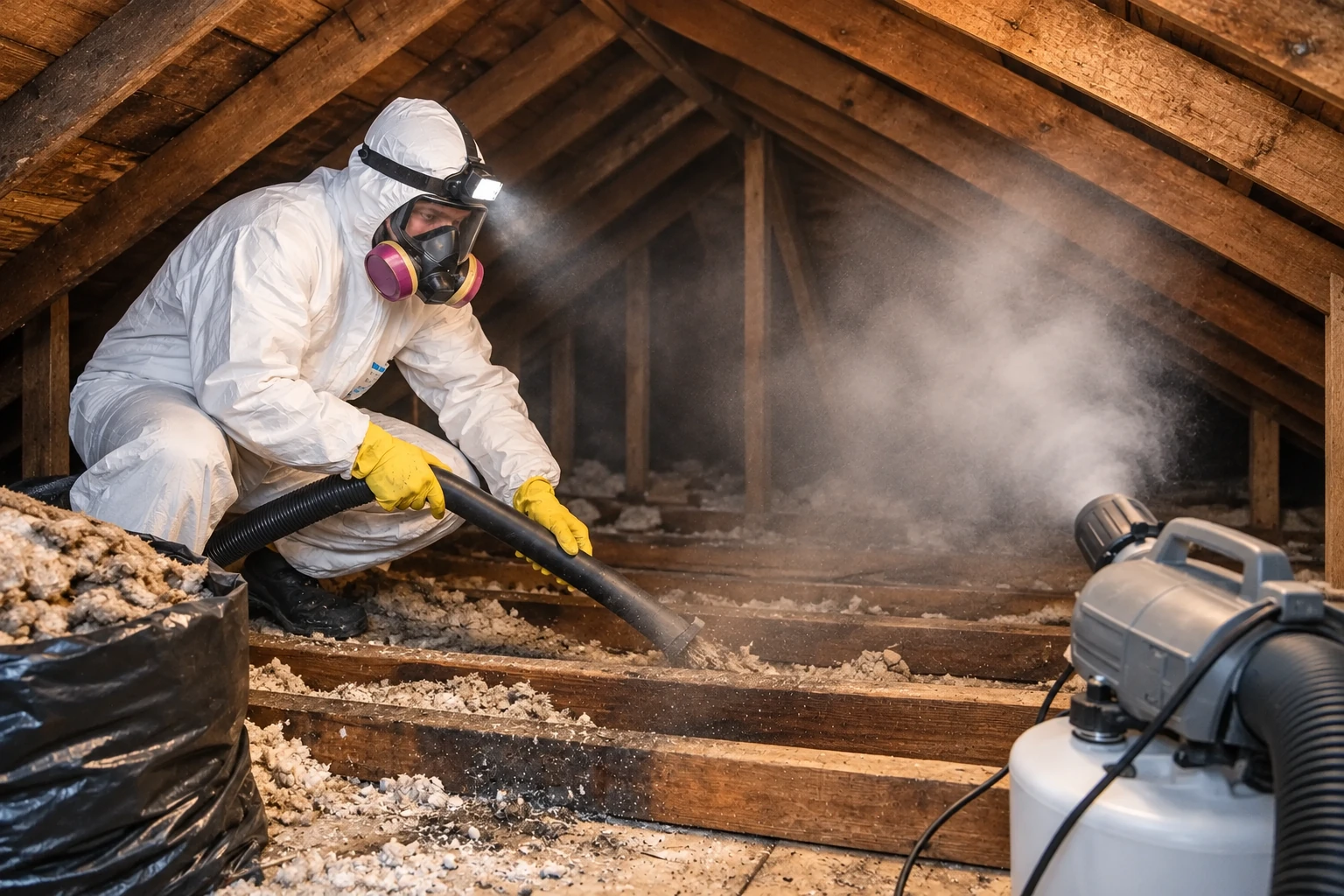
As an insulation contractor based in Chico, CA, Professional Chico Spray Foam Insulation insulates and air seals attics, crawl spaces and walls in Thermalito. Most calls here start with a hot upstairs, a cold floor, a drafty room or a power bill that keeps creeping up.
A lot of the houses we see here have attic insulation that's been up there for decades, packed down thin and pushed aside wherever someone ran a wire or a vent. Rooms over the garage and floors over a crawl space are the usual complaints, and those calls sound much the same in Palermo and the other cities around Oroville.
My first visit is a look, not a pitch. I go up into the attic and down into the crawl space, measure how many inches are already there, note how old the house is and whether the ductwork runs through the attic, and look for water stains or droppings. That tells me whether we can add to what's there or need to start over.
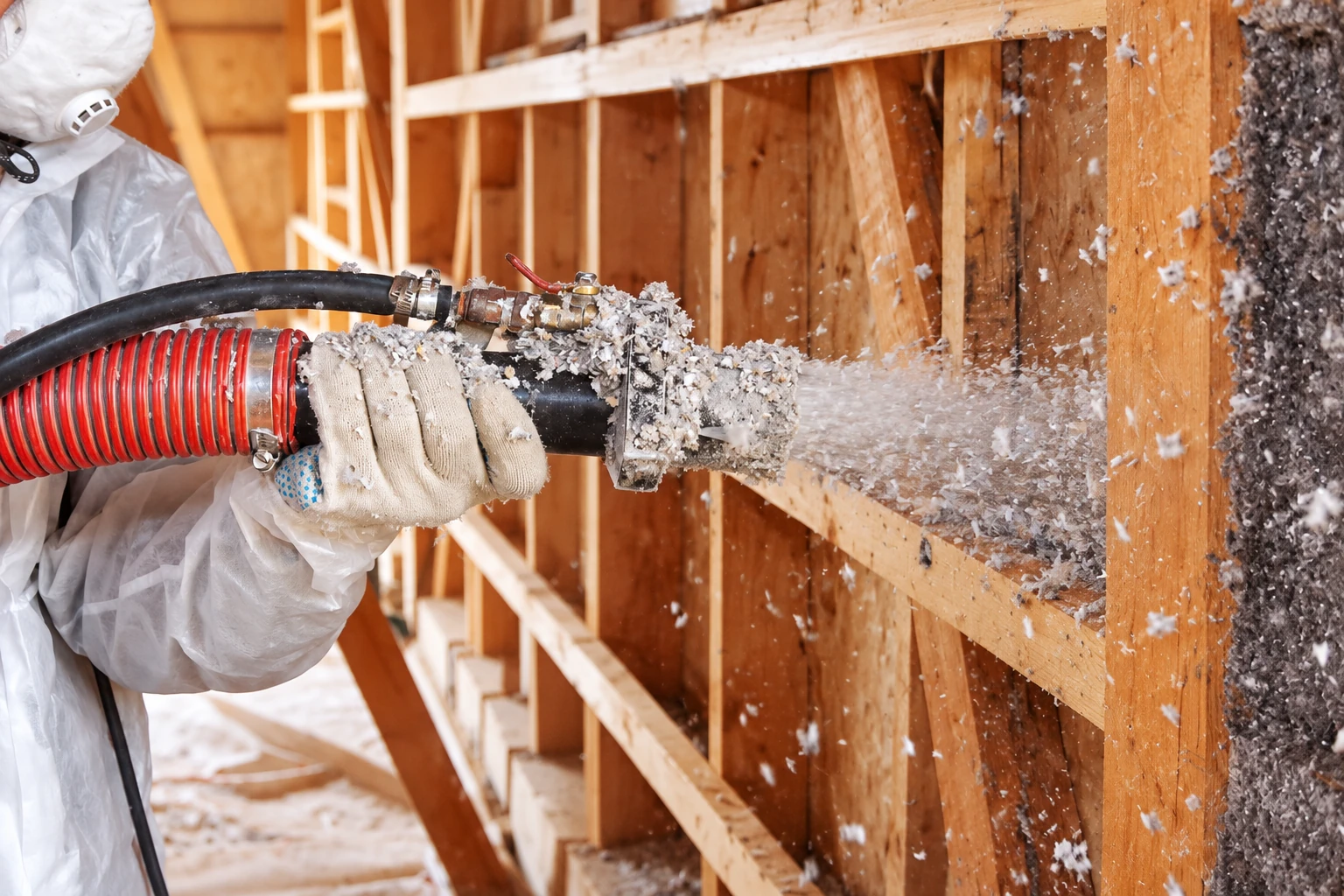
Spray foam fits when ductwork runs through the attic or a room over the garage won't hold heat, because it seals air gaps and insulates in one layer, though it costs more than loose fill.
If your upstairs runs hot, the attic is usually where we start. I measure how many inches are up there now, then we seal the gaps and bring the coverage even all the way to the edges.
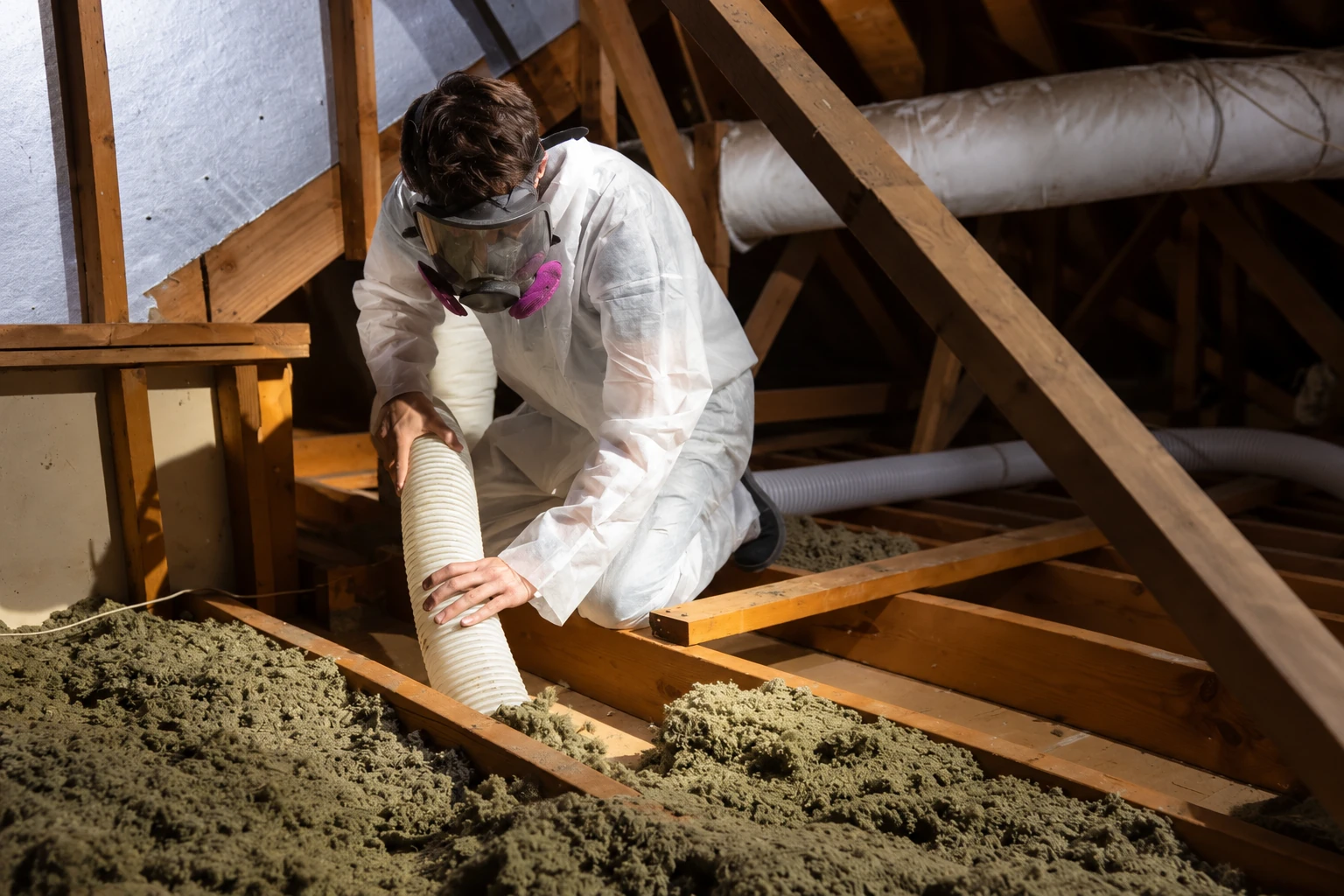
Blown-in insulation, loose fill blown through a hose, is often the cheaper way to top up a thin attic, once the gaps underneath are sealed so the new layer isn't fighting a draft.
When the whole house feels drafty and you can't tell where the heat goes, I look at the attic, walls and crawl space together and tell you which one to fix first.
When old insulation is soaked, matted or full of droppings, we take it out instead of covering it, because new material laid over a problem just hides the problem.
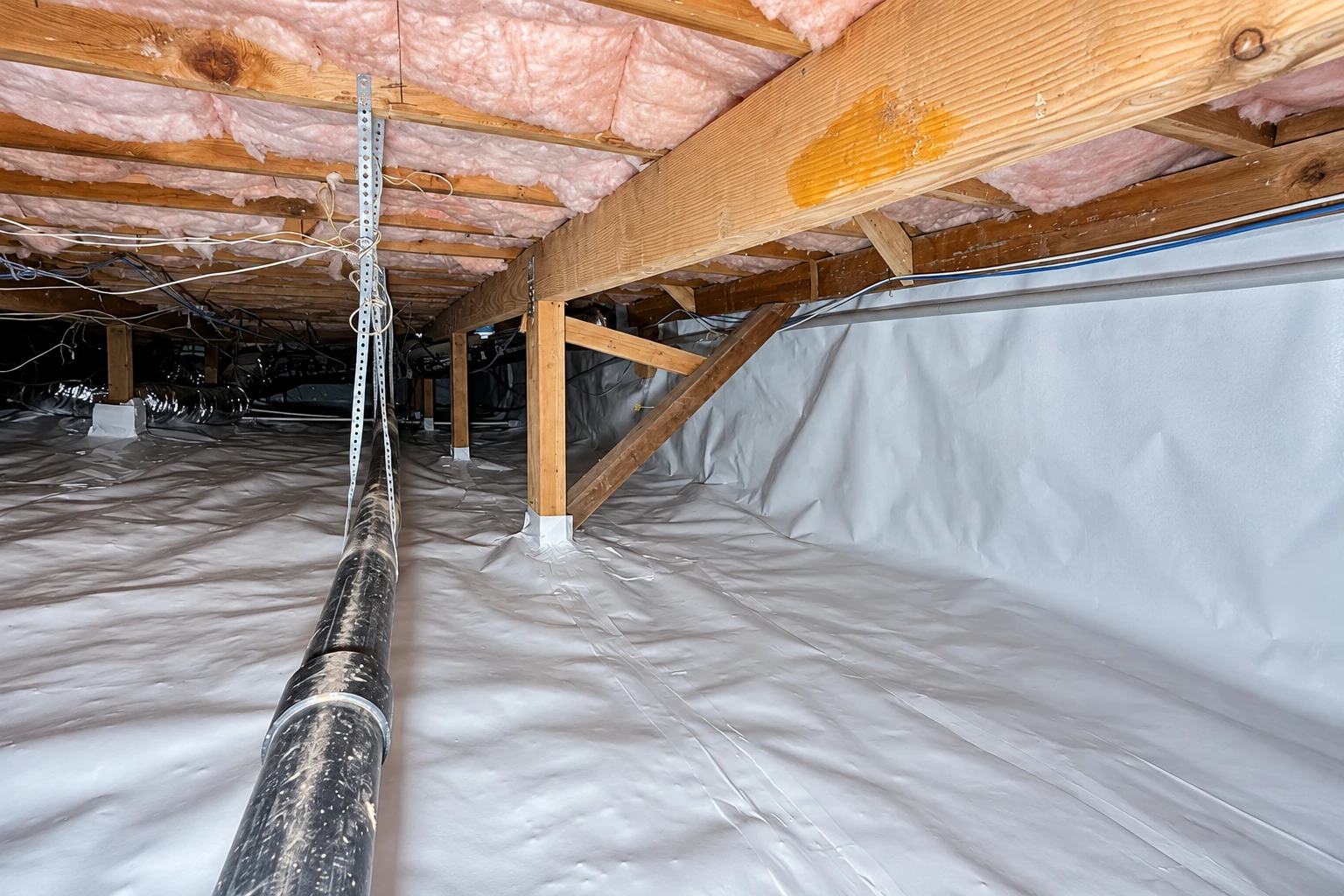
Cold floors in winter usually trace back to the crawl space. We insulate under the floor so the rooms above stop losing heat down into the space below.
Older walls are often empty or thinly filled. We can add insulation to closed walls without tearing them open, which helps rooms that feel cold along the outside wall.
Air sealing, closing the gaps before insulating, covers the spots around can lights, pipes, wires and the attic hatch, and it's often the cheapest step that does the most for a drafty room.
Where a house has a basement, we insulate its walls so the space stays drier and the floor above isn't cold, after checking for any water that needs fixing first.
Closed-cell foam, a dense foam that also blocks moisture, suits spots where damp is part of the problem, like a crawl space or the cold band of framing along the top of a foundation.
Open-cell foam is softer and lighter, and it suits a roofline or wall where you want air sealing and quieter rooms without paying for dense foam.
For shops, offices and other commercial buildings in Thermalito, we plan the work around your hours so the job gets in your way as little as it can.
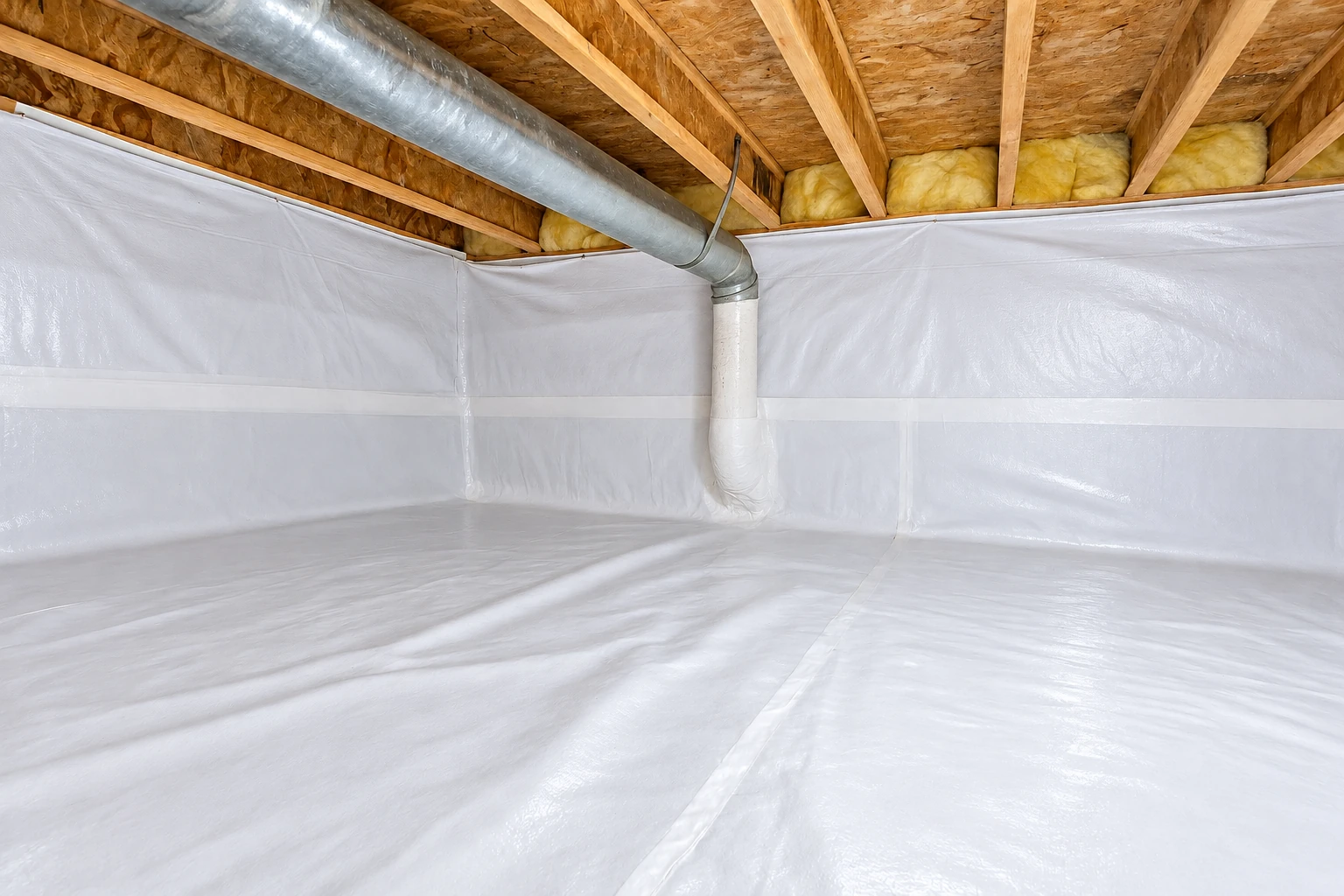
A vapor barrier laid over a bare dirt crawl space keeps ground moisture from soaking the insulation and framing above, so we usually check for one before we insulate the floor.
We install vapor barriers in walls, floors and crawl spaces where moisture would otherwise work into the insulation, and we put them on the side of the assembly the house needs.
Before we add anything in your attic, we seal the gaps around the hatch, can lights and pipes, and keep the eave vents clear so the attic can still breathe.
If you're in an older house and not sure what's in the walls or attic, retrofit insulation adds coverage to what's there without a remodel, starting with a look at what's already in place.
Send the form and we'll reply within one business day to set a time. I'll come out to your Thermalito house, look at the attic and crawl space, and write the estimate there, free and with no obligation.
(530) 399-1513For a Thermalito address outside Oroville's city limits, the Butte County Building Division issues building permits, reviews plans and does the inspections. If your job needs a permit, that review and inspection become part of the schedule, and you can apply, check where a permit stands and book inspections through the county's online portal.
California requires a license from the Contractors State License Board whenever a job needs a building permit, uses employees, or comes to $1,000 or more in labor and materials, so that's the license to ask any contractor for. There's no local business license to look up here, because the county doesn't issue them outside city limits. We're licensed and insured, and if your job needs a permit, we handle the application and inspection and tell you which office covers your address.
The price moves with what's in your attic or crawl space now, whether old material has to come out, how much sealing the gaps need, and foam versus loose fill. The schedule turns on the same things, plus any permit review, and your own figure comes from the estimate once I've seen the house. We do the same work in Oroville next door and farther south in Live Oak.
I grew up on a farm where you fixed something right the first time, learned insulation on other contractors' crews, and started this business in Chico in 2020. I'm the one who comes out to your Thermalito house and writes the estimate. Our crew lead and installers do the work, and I check it before we call it done.
We work in order, so the gaps get sealed before new insulation goes in, wet or dirty material comes out instead of getting buried, and the eave vents stay open. If something needs another trade first, like a roof leak, I'll tell you and wait rather than insulate over it. Satisfaction guaranteed on every job. Call (530) 399-1513 or use our contact form to set up a visit.
A few local boundaries and rules change how a Thermalito insulation job gets planned and who checks it. Here's what each one means for your house and what we do about it.
Thermalito borders Oroville on two sides and wraps around part of the city, so the line between them can run close to your street. Oroville has its own building services inside its city limits. The county's maps show which side your address is on, and I check it before we plan any work that could need a permit.
Any permit application the county received after the end of 2025 is reviewed under California's newer building standards, which took effect at the start of 2026. For you, that means an insulation job filed now gets checked against the current rules, not the ones a neighbor's job was held to a few years back. We plan the work to the code in force when we apply.
California requires anyone who sells or signs home improvement contracts for a licensed contractor to register with the state board, whatever the dollar amount, with limited exceptions. That covers the person at your door as much as the company behind them. With us there's no separate salesperson, because I'm the one who comes out, looks at your house and writes the estimate.
The state's exception for unlicensed work is narrow. It covers a job that needs no permit, uses no employees and comes in under that $1,000 line with labor, materials and everything else counted. A bigger job can't be broken into smaller bills to get under it, so if someone offers to do your attic in a few cheap pieces, ask for the license first.
Your price comes down to what's in your attic or crawl space now and what has to happen first, so I quote it after I've looked. Removing wet or dirty material, heavy air sealing and tight access all add to it. Foam costs more and seals air as it insulates, but unless your ductwork runs through the attic, sealing the gaps and topping up with blown-in usually wins.
It turns on what has to come out and how much sealing comes before the new layer, so a top-up over clean insulation is a much shorter job than a tear-out. A cramped crawl space or a hard-to-reach hatch adds time too. I'll walk you through the plan for your house when I come out.
Yes, with spray foam you, the kids and the pets stay out while we spray and until the re-entry time, the wait before it's safe to come back in, has passed. That wait comes from the foam's maker, and I'll tell you what it is for the product we're using before we schedule. Blown-in attic work usually doesn't send anyone out of the house.
Clear a path to the attic hatch and move whatever sits under it in a closet, hallway or the garage. If you keep boxes up in the attic, those need to come down so we can reach the edges, where coverage usually ends up too thin. Keep pets in a closed room on install day.
Only if it's wet, moldy or full of droppings, because new material laid over a problem keeps the problem. Dry, clean insulation that's just thin can usually stay, and we add to it after sealing the gaps. I'll tell you which you have once I've been up there, and if a leak caused it, that gets fixed first.
We pick up seven days a week from 8 AM to 9 PM, so call (530) 399-1513 after work or send the form whenever the upstairs gets too hot to ignore.