
Spray foam insulation
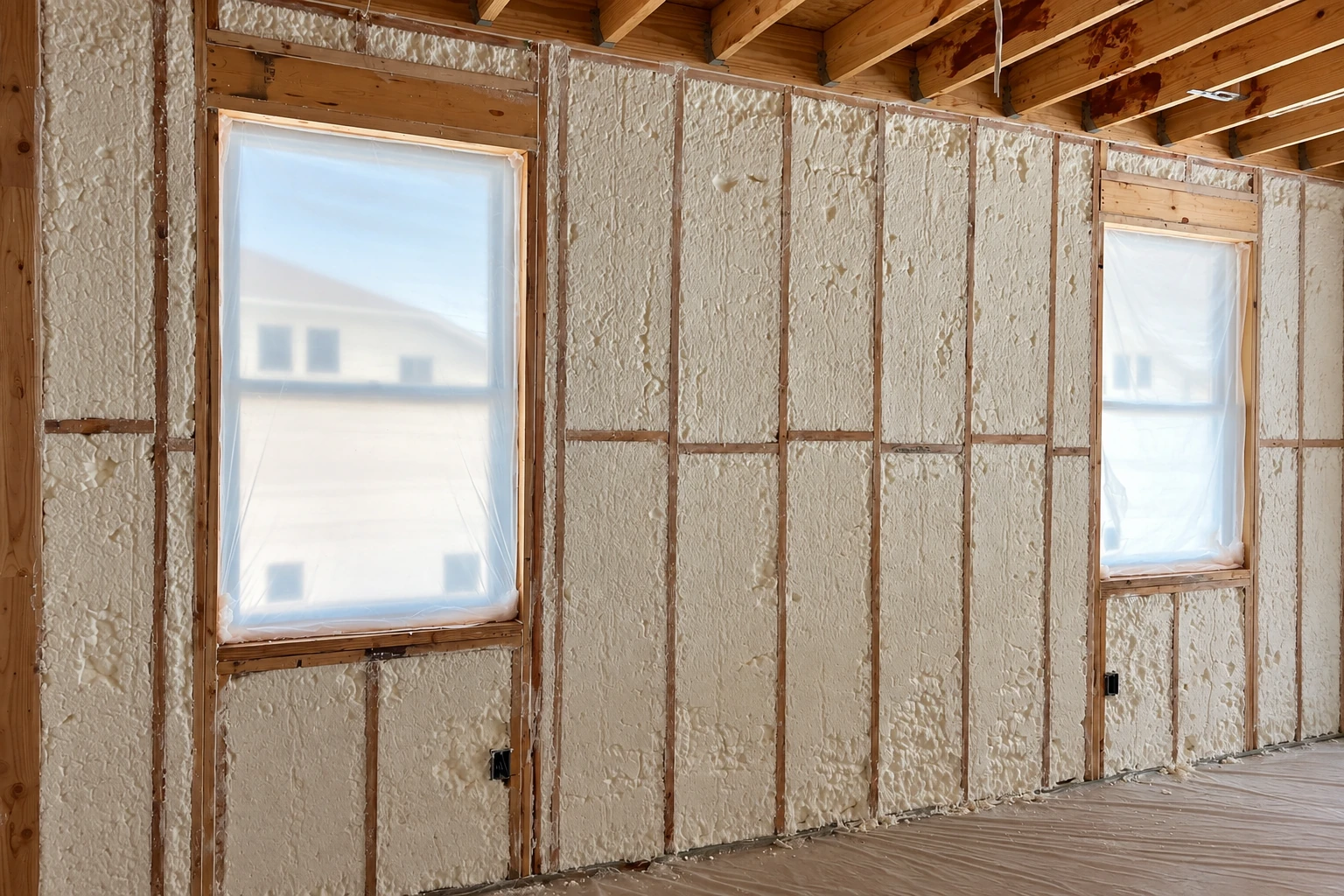
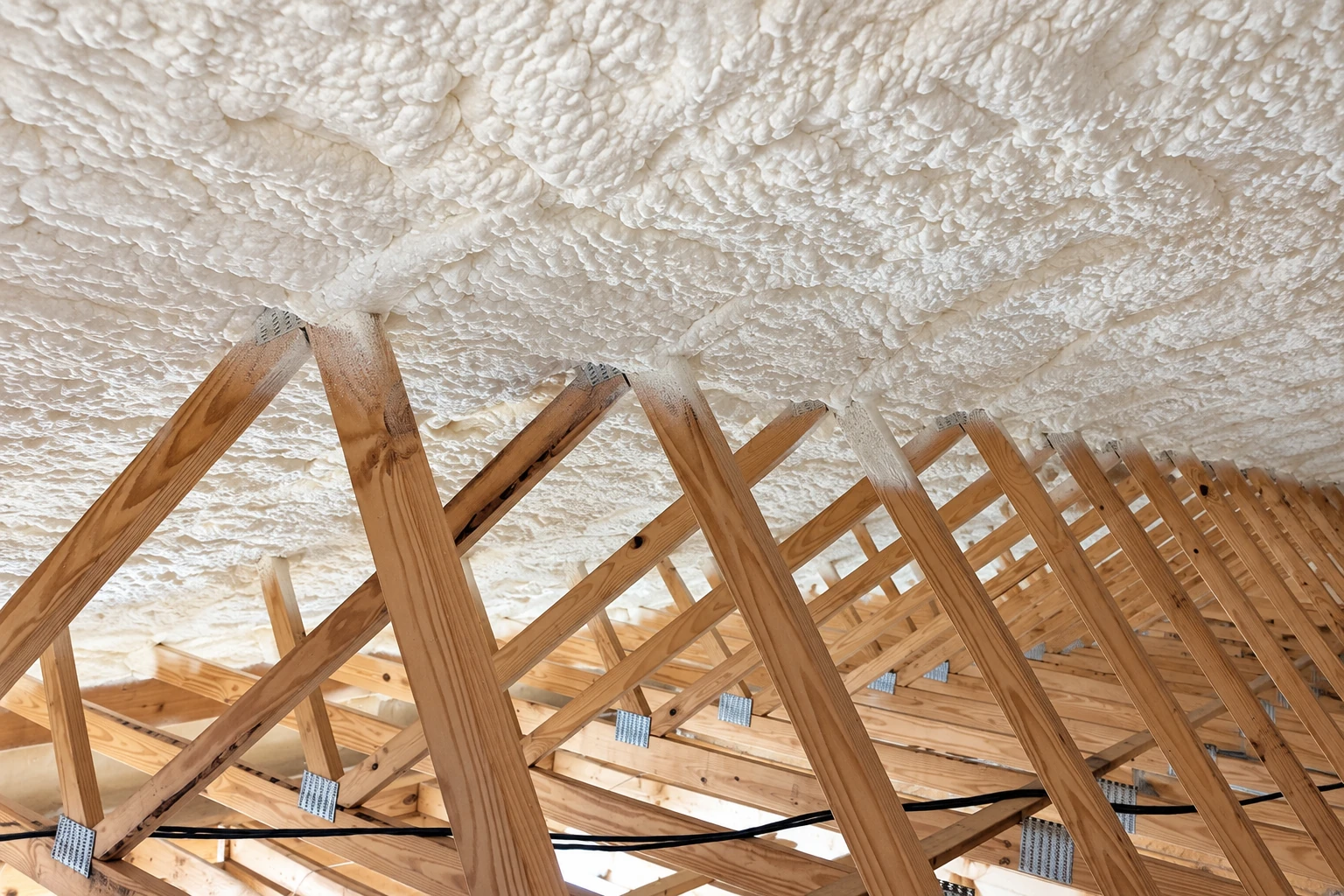
Spray foam seals air and insulates in one pass. It earns its higher cost mainly when your ductwork runs through the attic or a space can't hold loose fill.
Professional Chico Spray Foam Insulation is an insulation contractor based in Chico, CA. We insulate and air seal attics, crawl spaces and walls for Live Oak homeowners, from drafty older houses to rooms that run hot upstairs.
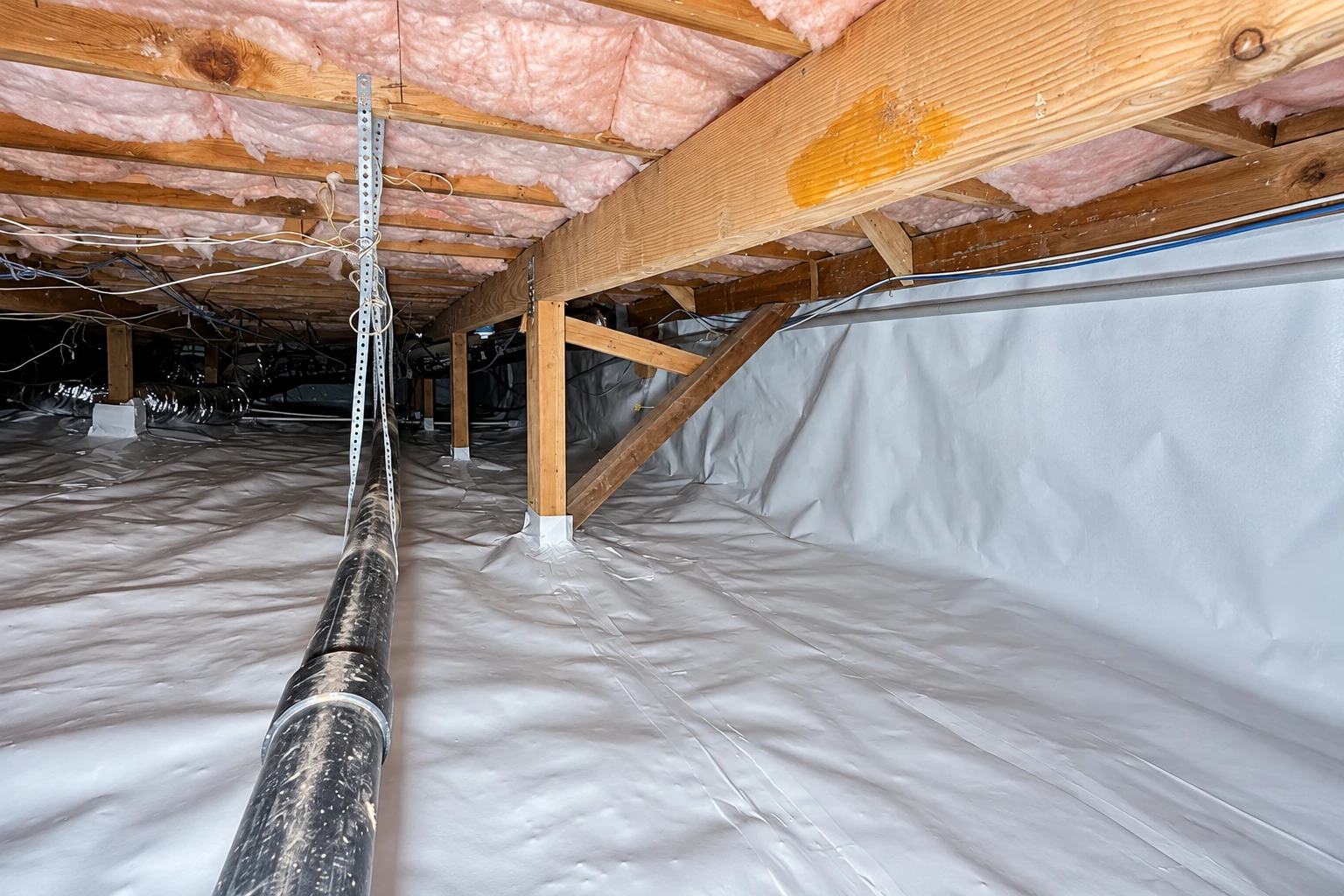
We insulate attics, crawl spaces and walls in Live Oak, and we start with air sealing, closing the gaps around pipes, lights and the hatch so new insulation isn't fighting a draft. Professional Chico Spray Foam Insulation also handles blown-in loose fill, spray foam, vapor barriers and removal of old, dirty material.
Live Oak is farm country, surrounded by orchards, open fields, the Feather River and the Sutter Buttes, and it sits right on Highway 99 between Yuba City and Chico. That makes it an easy run down 99 for our crew. A lot of the houses we see here back onto that farmland, and it shapes what we find once we open the attic hatch.
Most calls from Live Oak sound like calls anywhere in our area. Somebody has a drafty older house, a room over the garage nobody wants to sit in, or a power bill that keeps climbing. We bring the same careful approach here that we take up the ridge in Magalia, and I look at the whole house before I tell you what it needs.
Spray foam seals air and insulates in one pass. It earns its higher cost mainly when your ductwork runs through the attic or a space can't hold loose fill.
If it's hot upstairs or the power bill keeps climbing, we measure the inches already in your attic, seal the gaps, then build even coverage all the way to the edges.
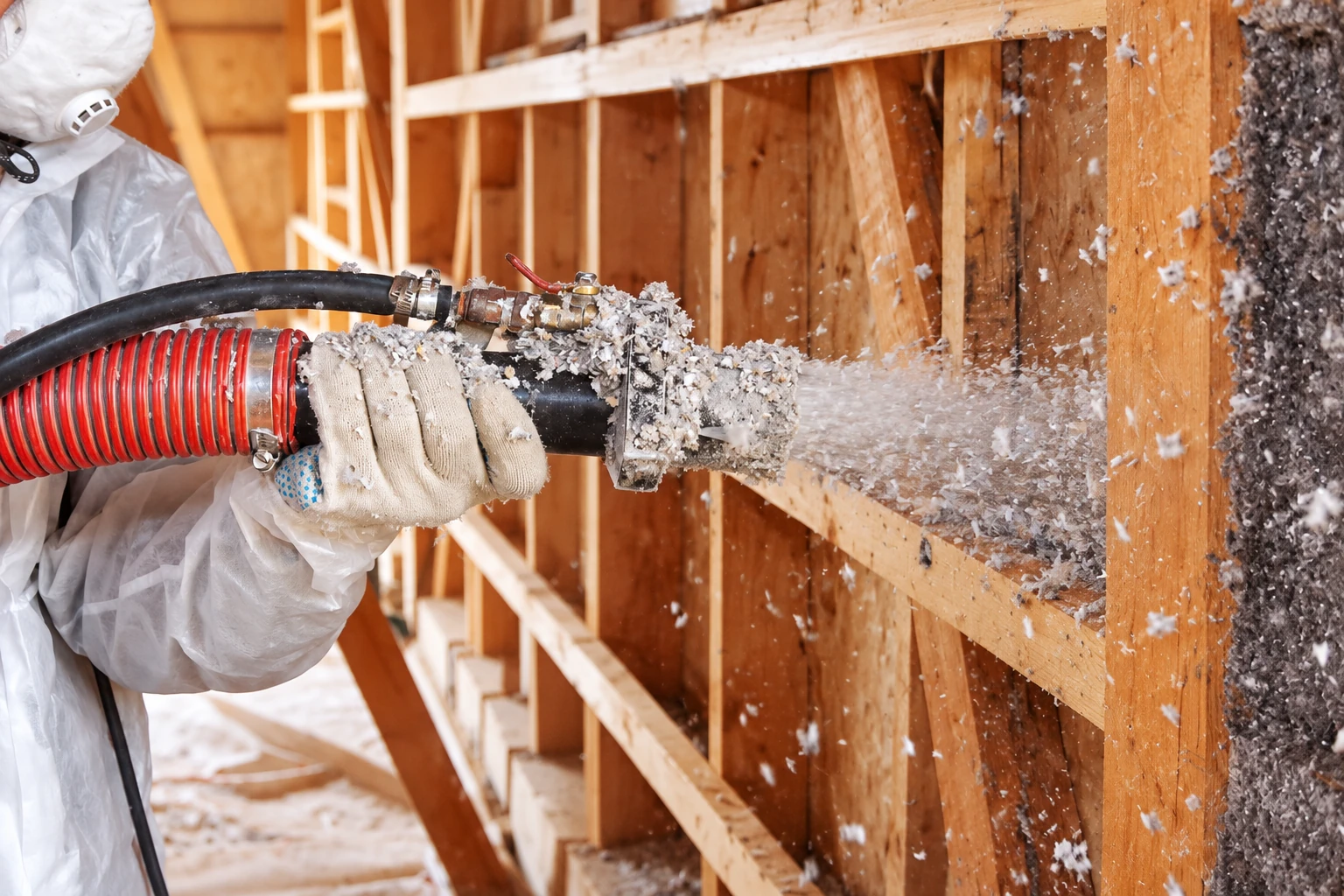
Blown-in insulation is loose fill blown through a hose, and it's usually the cheapest way to top up an attic once the gaps are sealed and the eave vents are kept clear.
When several rooms feel drafty and you don't know where to start, I look at the attic, walls and crawl space together and tell you which one to fix first.
Old insulation that's been soaked or fouled by mice comes out before anything new goes in, so we're not burying the problem under fresh material.
Cold floors usually trace back to the crawl space, where batts have sagged or fallen and the floor above loses heat straight through the gaps.
Some older houses have little or nothing in the outside walls, and we can usually fill them through small holes so you don't lose your drywall.
Air sealing closes the cracks where outside air sneaks in around pipes, wiring and can lights, and it's often the cheapest fix for a drafty room.
Where a Live Oak house has a basement or a partly below-ground room, we insulate the walls and the rim joist, the framing that sits on top of the foundation.
Closed-cell foam is a dense foam that also blocks moisture, so it fits rim joists and some crawl spaces where damp air is part of the problem.
Open-cell foam is softer and expands into odd-shaped cavities, which suits rooflines and walls where you want air sealed without a moisture barrier.
For shops, offices and farm buildings around Live Oak, we look at how the space gets used before choosing between foam, batts and loose fill.
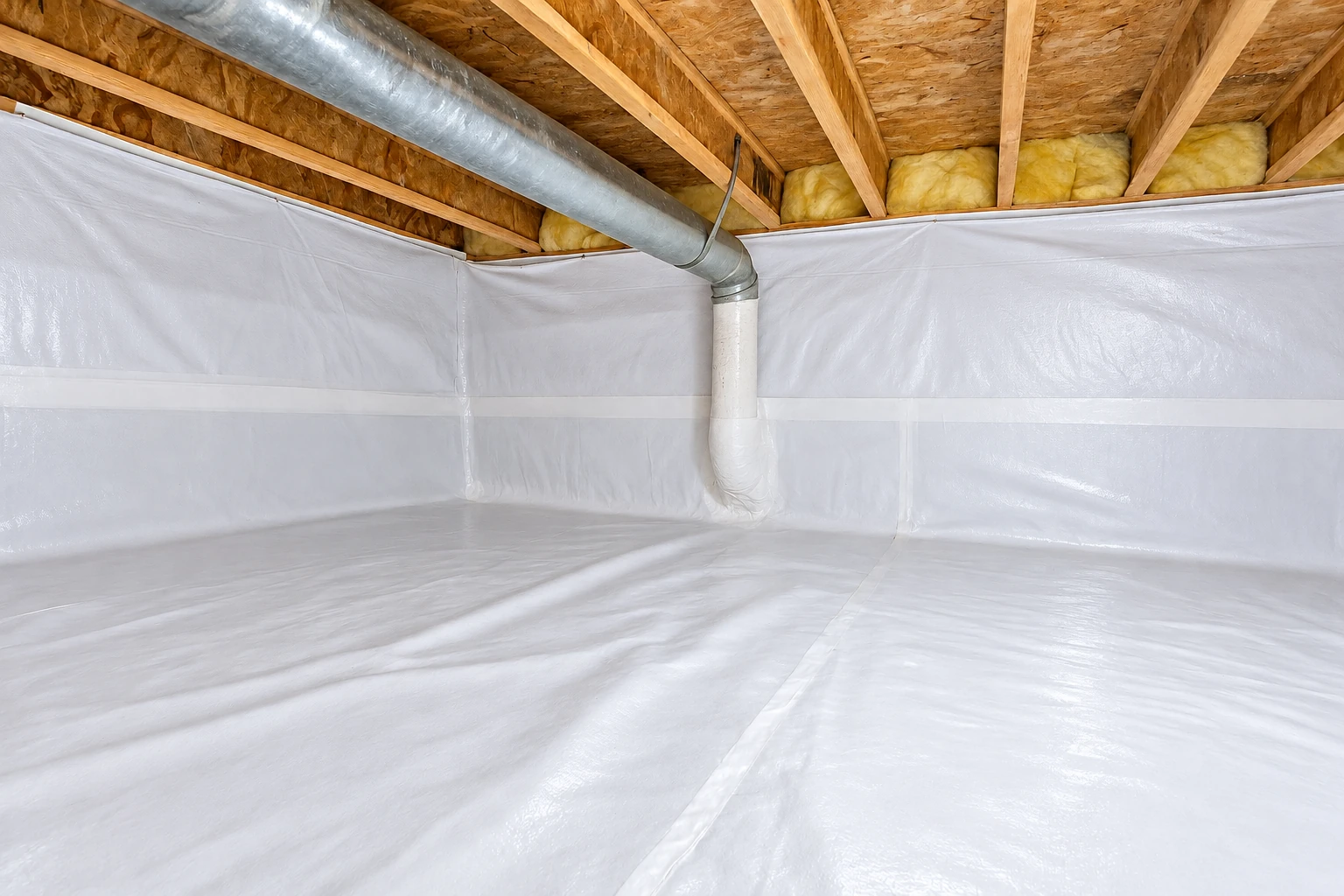
A vapor barrier is heavy plastic laid over the dirt under your house, and it keeps ground moisture from soaking into the insulation and wood above.
In walls and ceilings, a vapor barrier has to go on the correct side of the insulation for that spot, so we check before installing and moisture doesn't get trapped.
Before insulation goes up, we seal the wall tops, can lights, plumbing pipes and the hatch, because loose fill alone won't stop air pushing through those gaps.
Retrofit work adds insulation to a finished house, so we go in through the attic, crawl space or small wall openings instead of opening up your rooms.
Send the form and we'll reply within one business day to set a time that works for you. I come out to your Live Oak house, look at the attic or crawl space myself, and write the estimate right there. It's free, and there's no obligation.
(530) 399-1513Inside Live Oak city limits, building permits come from the city's Building & Code Enforcement department, which covers repairs and alterations to existing homes and also does the inspections. Its list doesn't name insulation, so I don't guess whether your job needs a permit. If it does, we handle the application and inspection, and since the counter has been open only Mondays and Wednesdays, 9 a.m. to 4 p.m., since October 2025, a permit can push the start date back.
Before you hire anyone for work at a Live Oak address, check that they hold a California contractor's license and ask whether they have a city business license too. We're licensed and insured. If your house sits outside city limits, I'll tell you which office covers your address. We work the same way in Gridley and the other cities along 99.
Price moves with the size of the attic or crawl space and how easy it is to reach, how many inches are already there and what shape they're in, and whether foam or loose fill fits the job. The schedule turns on removal, any repair another trade has to make first, and the permit if one's needed. I'll come out, look, and write an estimate with your own number.
I grew up on my family's farm, where if something broke you fixed it yourself and fixed it right the first time. I learned insulation on other contractors' crews and started this business in Chico in 2020. We're known for attic and crawl space work where nothing gets skipped, so the gaps get sealed, the eave vents stay clear and the coverage is as deep at the edges as in the middle.
If I find wet insulation, a roof leak or wiring that needs an electrician, I'll tell you and wait rather than cover it up. I write your estimate, our crew lead and installers do the work, and I check it before we're done. We're licensed and insured, with satisfaction guaranteed on every job. Call (530) 399-1513 or use our estimate form to set up a visit.
These are the things we look at on Live Oak houses before the crew starts, because each one changes what the job needs and what it ends up costing you.
I start by measuring how many inches are up there and checking what shape they're in. Insulation that got soaked from an old roof leak, or that mice have nested in, which happens when a house backs onto fields, has to come out first. Blowing fresh material over it just hides the smell and the moisture, and you end up paying to fix it later anyway.
Can lights, plumbing pipes, wiring holes and the attic hatch all leak air. We seal those before adding anything, because loose fill doesn't stop moving air and a drafty room stays drafty under a foot of it. Then we build full depth out to the edges over the outside walls, where coverage often runs thin, without burying the eave vents that let the attic breathe.
When a house sits over a crawl space, that's usually where cold floors start. We look for batts that have sagged or fallen, bare dirt with no vapor barrier, and pipes or ducts running through. Moisture gets handled before new insulation goes in, and if there's a plumbing leak down there, I'll tell you to call a plumber before we start.
Foam costs more than loose fill, but it seals air and insulates in one step. For most attics, sealing the gaps and topping up with blown-in is the better value. The exception is when your ductwork runs through the attic, or the room over the garage has no space for loose fill, because foam brings those ducts and that room inside the insulated part of the house.
I give you a price after I've seen your attic, because two attics the same size can need very different work. Pulling out old material and choosing foam over loose fill are what raise it most, and sealing the gaps then topping up with blown-in is usually the cheaper route.
For blown-in and batts you can usually stay home, as long as kids and pets stay away from the work area. Spray foam is different, because you're out until the re-entry time the foam maker sets, and I'll tell you that wait before we schedule. Clear a path to the attic hatch and the space under it.
It depends mostly on whether old insulation has to come out first, because removal and cleanup take longer than installing. Air sealing and foam each add time, and a permit or another trade's repair can push the start date. I'll lay out the schedule for your house when I write the estimate.
Call the city's building department at (530) 797-3044 and leave a voicemail with the permit number, the address, the date you want and whether you'd like morning or afternoon. When we've pulled the permit for your insulation job, we schedule and handle the inspection with the city.
Yes, in most cases. The California Contractors State License Board licenses anyone who builds or alters a building in the state, and a license is required when the job needs a building permit, uses employee labor, or totals $1,000 or more in labor and materials. A crew of installers counts as employee labor.
Yes. A bill the state licensing board summarizes requires home improvement contracts to include the contractor's email address and lets the buyer cancel by email. Keep a copy of your contract so the address is easy to find. Ours is info@insulationchico.com.
We pick up seven days a week from 8 AM to 9 PM, so call (530) 399-1513 after work or send the estimate form whenever you notice the draft.