
Spray foam insulation
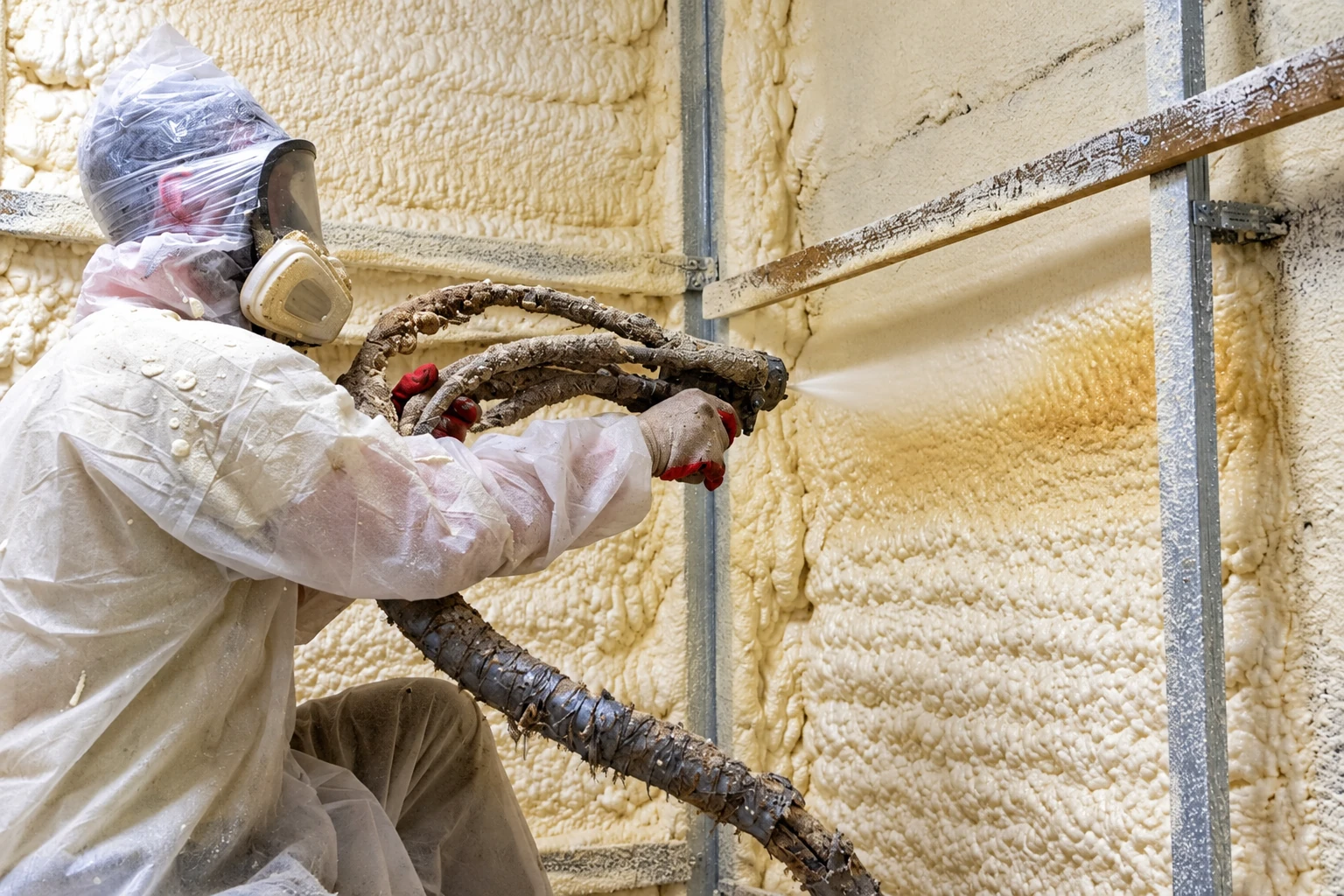
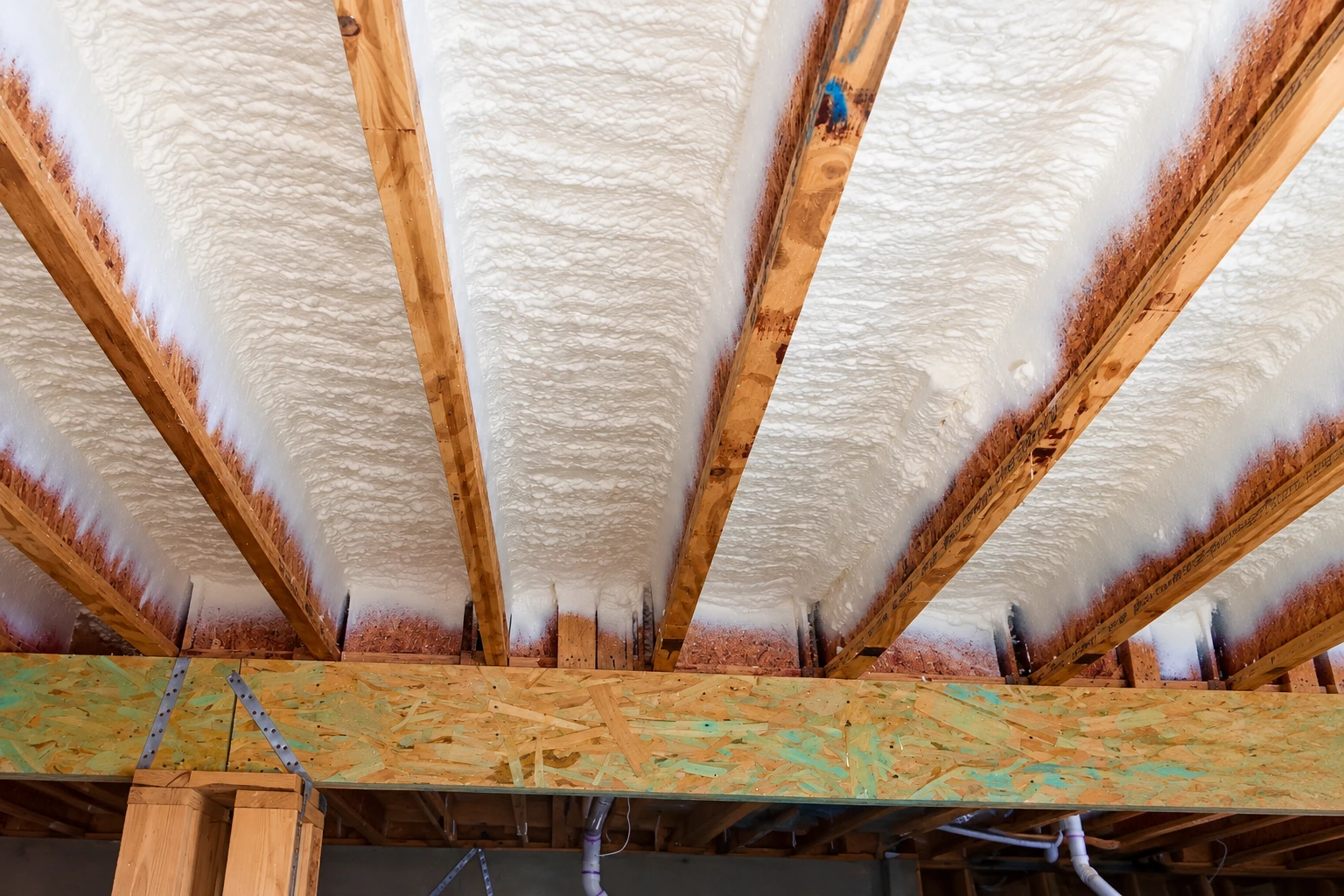
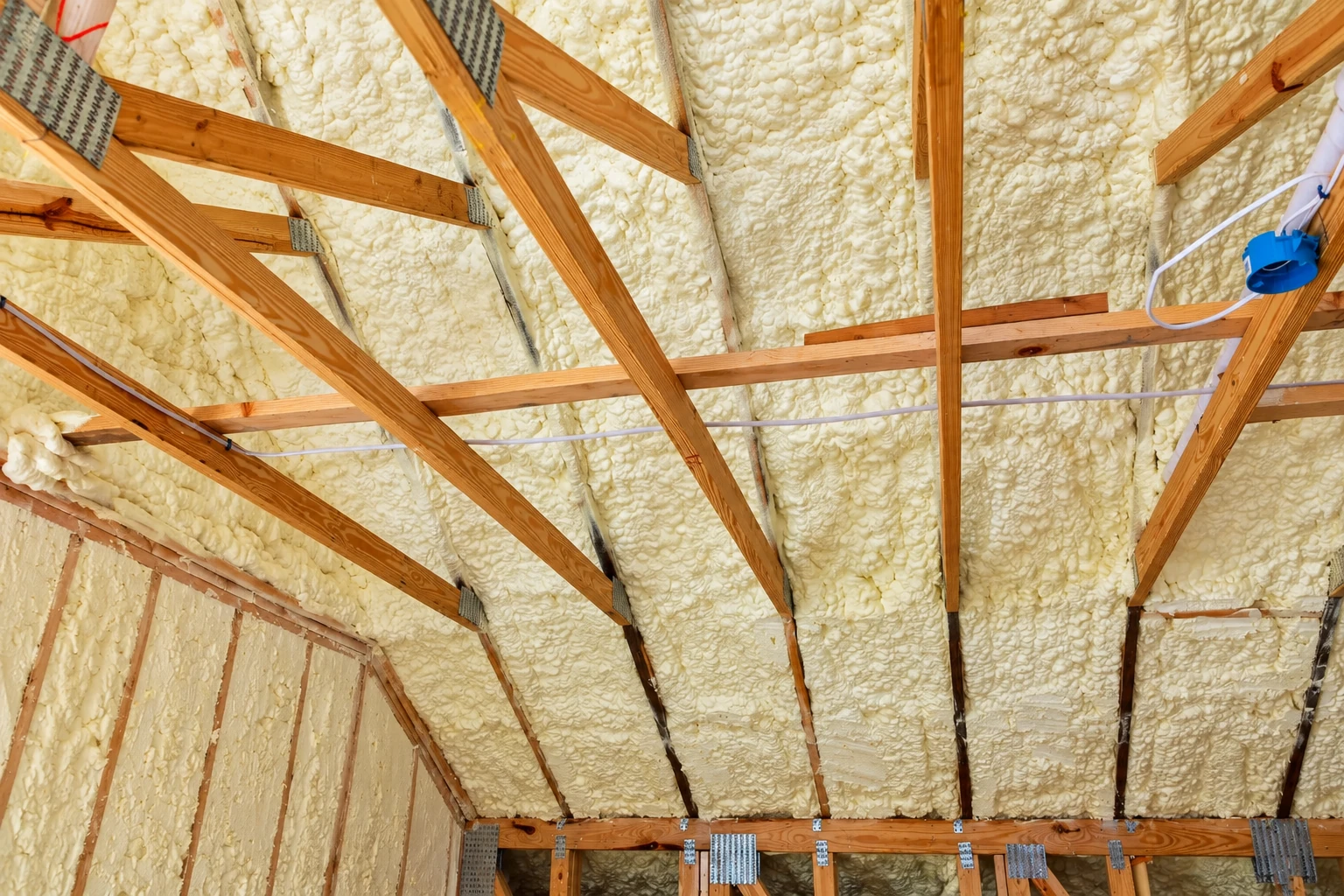
Spray foam earns its higher cost in tight spots like rim joists and sloped ceilings, or in an attic where the ductwork runs, because it insulates and stops air in one pass.
Professional Chico Spray Foam Insulation is an insulation contractor based in Chico, CA. We insulate attics, crawl spaces and walls, seal the gaps that let drafts through, and pull out old material that's soaked or dirty.
Professional Chico Spray Foam Insulation insulates attics, walls and crawl spaces in Chico, seals the gaps that let air through, and takes out old insulation that's soaked or dirty. Most calls here start with a hot upstairs, cold floors or a power bill that keeps climbing, often in an older house.
Chico houses run from older homes with a few settled inches in the attic to newer ones where the main complaint is the room over the garage. When I come out, I climb up and measure what's there, look for water stains and droppings, and check that the eave vents are open, because those three things decide whether we top up or start over.
Under the floor, the question is moisture. A lot of the cold-floor calls we get trace back to a crawl space with thin or fallen insulation, and if the ground under there stays damp after the winter rains, that gets dealt with before anything new goes up. We do the same work in Durham and the other cities around Chico, and we see the same problems there.
Spray foam earns its higher cost in tight spots like rim joists and sloped ceilings, or in an attic where the ductwork runs, because it insulates and stops air in one pass.
If upstairs runs hot all summer, the attic is the first place I look. We measure how many inches are up there, seal the gaps, and bring coverage up evenly right out to the edges.
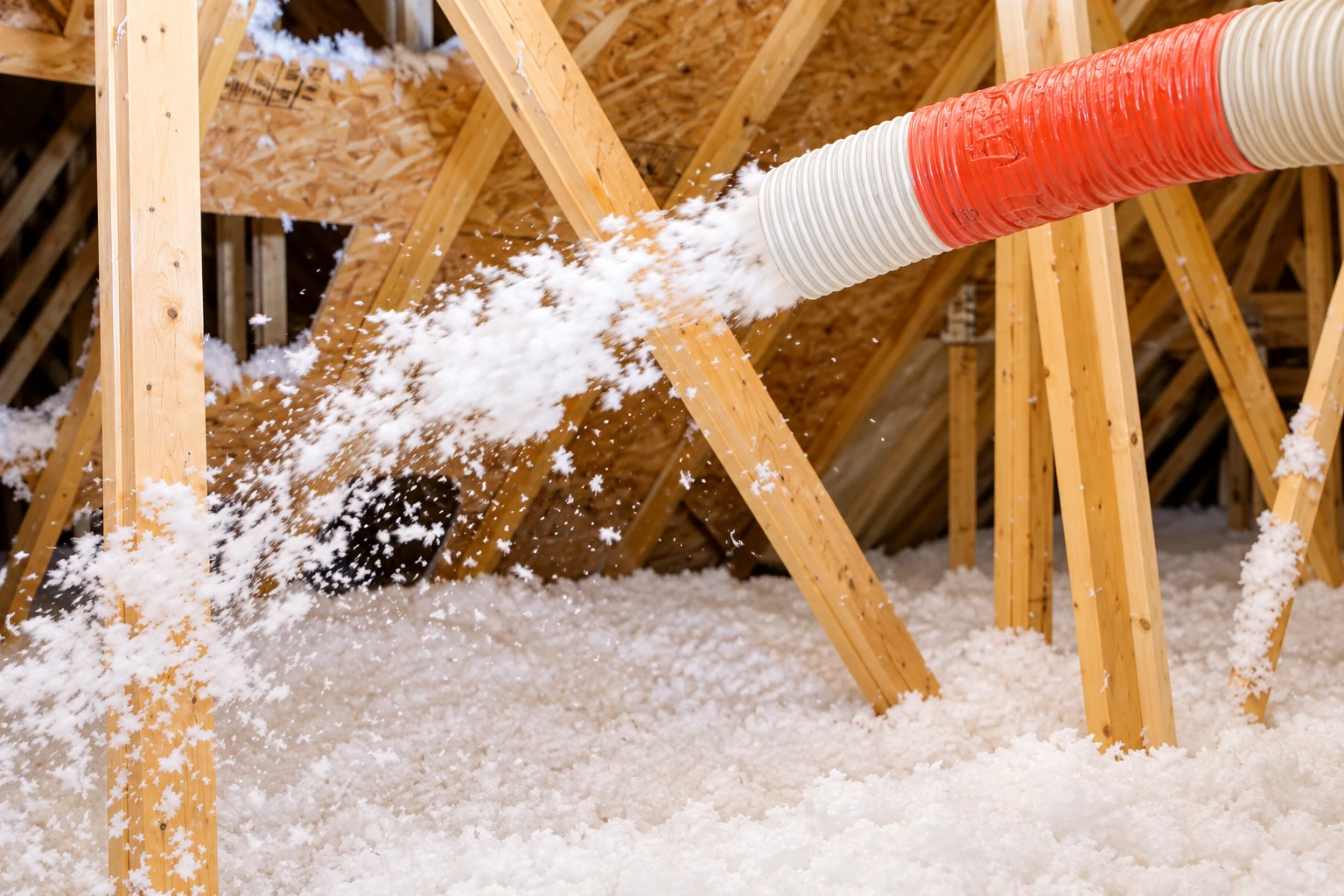
Blown-in is loose fill sent through a hose, and it's usually the cheapest way to top up a thin attic. We keep it off the eave vents so the attic can still breathe.
For a drafty older house where you're not sure what's in the walls or under the floor, we look at the whole house and tell you which part to fix first.
When old insulation is soaked, full of droppings or packed flat, we take it out before adding new, because fresh material over a mess keeps the problem in your attic.
Cold floors in winter usually trace back to the crawl space. We check for moisture first, then fit insulation snug against the underside of the floor where it can do its job.
Walls in older houses are often empty or thin. We blow insulation into the cavities through small holes and patch them, which helps rooms that feel drafty no matter how high the heat runs.
Air sealing means closing the gaps around pipes, wires and fixtures before insulation goes in, so the new material isn't fighting a draft. It's often the cheaper fix of the two.
When a house has a basement, we insulate the walls and the rim joist, the band of framing sitting on the foundation, so cold air stops leaking in around the edges.
Closed-cell foam is the dense kind that blocks moisture as well as air. It's our pick for rim joists and crawl space walls that see damp, and it costs more than open-cell.
Open-cell foam is lighter and softer, and it fills odd-shaped walls and rooflines well. It suits dry spaces inside the house, like a bonus room ceiling, and costs less than closed-cell.
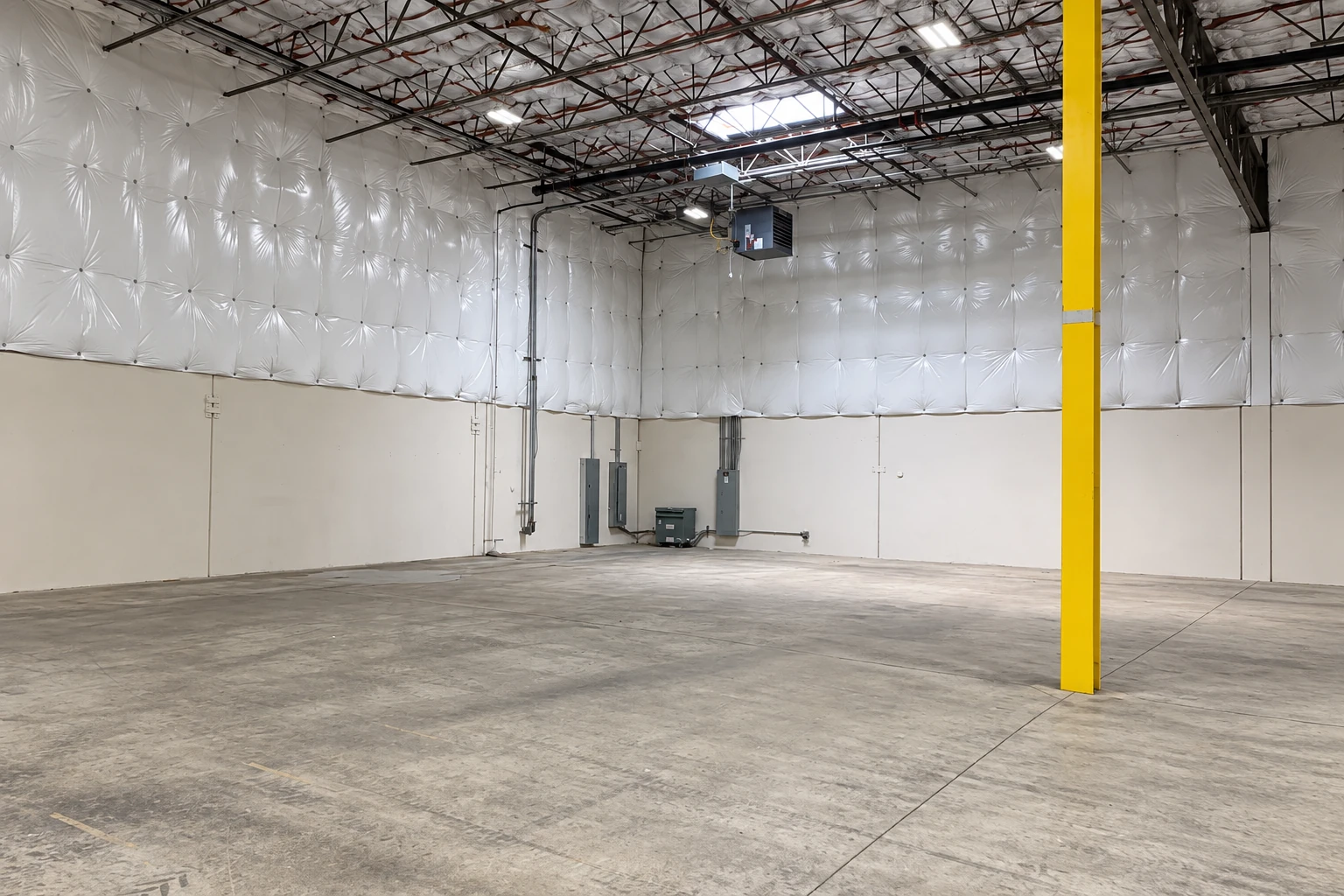
For shops, offices and other commercial buildings around Chico, we look at the roof, the walls and any spaces the ducts pass through, and plan the work around your hours.
A vapor barrier is plastic sheeting laid over the dirt in your crawl space to keep ground moisture out of the framing, which is worth checking after a wet winter and before insulating.
We put vapor barriers where moisture can get into walls, ceilings or floors, and we check which side they belong on first, because one on the wrong side can trap water.
Before topping up an attic, we seal around can lights, the hatch and pipes coming up from the walls, because air slips through those gaps and insulation alone can't stop it.
Retrofit means adding insulation to a house that's already built and lived in. We work through attics, crawl spaces and walls without opening up more of the house than we have to.
Call or send the form and we'll reply within one business day to set a time. I'll come out to your Chico house, look at the attic or crawl space, and write your estimate on site for free, with no obligation.
(530) 399-1513In Chico, building permits come from the City's Building Division, so whether your insulation job needs one is its call. If it does, we handle the application and the inspection, and that review comes before the work, which can move the start date. Plans go to the division digitally and its questions come back by email, so I answer them as they come in.
You can check two things about any contractor here. The City requires a current business license for every business doing work inside city limits, and a contractor pulling a City permit for the first time has to give that number plus a California State Contractor's License number. We're licensed and insured, and if you're just outside the city, in Thermalito or Oroville, I'll tell you which office covers your address.
The price turns on what's already up there and what has to happen first. A clean attic that only needs sealing and a top-up costs far less than one where old material has to come out, and foam costs more than loose fill. A low attic, a tight crawl space or another trade going first moves the schedule. I'll put your figure in writing on the estimate.
I grew up on a farm where you fixed things right the first time, and I learned insulation on other contractors' crews before starting this business in 2020. I'm the one who comes out, climbs into your attic or crawl space and writes the estimate. Our crew lead and installers do the work, and I check it before we're done.
We work in a set order, removing anything ruined, sealing the gaps and then insulating, because covering a problem only hides it. If your roof leaks or the wiring needs an electrician, I'd rather tell you and wait than install over it. And if a top-up is all your attic needs, I'll say so.
We're licensed and insured, and it's satisfaction guaranteed on every job. Call (530) 399-1513 or use the request form to get on the schedule.
Chico's wet winters and long, dry summers shape most insulation jobs here, along with the age of the house and what's already in it. These are the things I check for on every visit.
Chico summers dry everything out, and an attic with thin insulation or open gaps passes that heat straight into the rooms below. That's why the upstairs bedroom or the room over the garage stays warm long after sunset. Sealing around the hatch, can lights and pipes first, then evening out the coverage right to the edges, does more than piling extra depth in the middle.
Rain through winter and spring can leave the dirt under a house damp well into the year. Insulation that's wet or hanging down under the floor doesn't do much, and you feel it as cold floors. We look at the ground and the framing before insulating, and if water is getting in from outside, that's a fix for another trade before we start.
When insulation gets pushed against the eaves, it can block the vents that let the attic breathe, and moisture then shows up on the framing and roof deck. Older attics are often packed tight at the edges or blown thin there. We keep the vent paths clear and get full depth out to the outside walls, which is where most attics come up short.
Some older attic and pipe insulation can contain asbestos. In Chico, asbestos remediation falls under Butte County, not the City. If something up there looks suspect, we leave it alone and tell you, because disturbing it isn't a job for an insulation crew, and nothing new goes in until it's sorted out.
The biggest choice in the price is foam versus loose fill. Foam insulates and stops air in the same pass but costs more, so for most Chico attics, sealing the gaps and topping up with blown-in is the better buy. Foam earns its price when your ductwork runs through the attic. I'll measure and price your house in writing.
A straight seal and top-up is the shorter job, and it runs longer when old insulation has to come out first or the attic is low and tight. I'll tell you how long to expect when I write the estimate, so you can plan your days around it.
With spray foam, yes, for a while. The foam maker sets a re-entry time, meaning how long before people and pets can safely come back inside, and we follow it and tell you before the day. With blown-in or batts, most families stay home and keep kids and pets out of the work area.
The City's list of residential repair permits doesn't settle it. That list names reroofs, siding repair, foundation repair and deck or balcony work, not insulation, so the Building Division is the office to ask about your job. If it needs a permit, that paperwork and the inspection are on us.
Clear a path to the attic hatch or crawl space door, and move anything stored right under it, since that's where the crew and hoses go in and out. Put pets in a closed-off room. We cover the floors along the path and clean up before we leave.
One visit tells you whether your house needs a simple seal and top-up or more than that, so call (530) 399-1513 or use the request form and you'll know before the next season's bills arrive.