I start with the water, not the plastic. Before anything goes down, I look at what's putting water under the house, like the slope of the yard, the drains or a sprinkler aimed at the foundation, because covering a wet problem only hides it. If the fix belongs to a landscaper or a drainage contractor, I'll tell you so and wait for them rather than install over it.
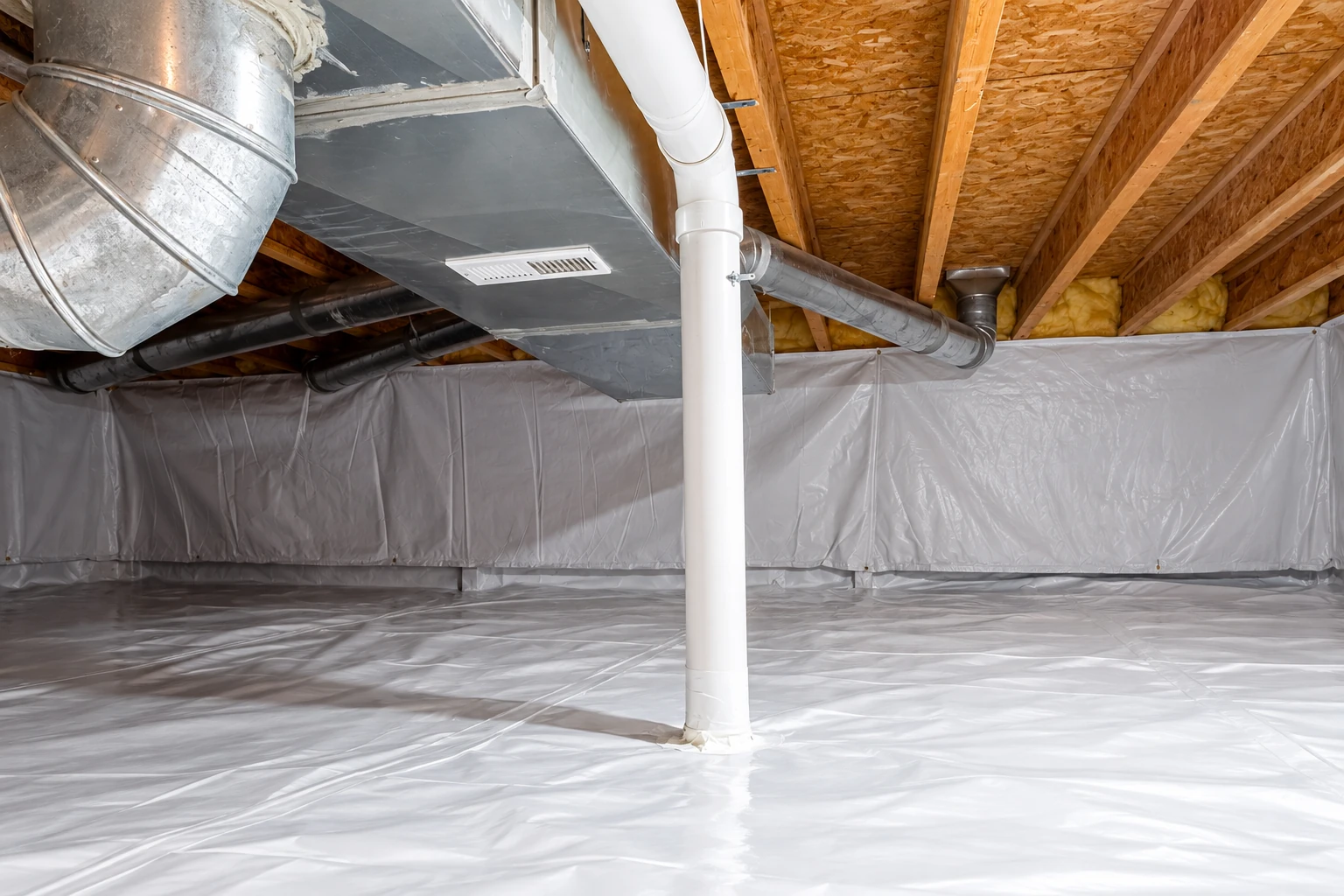
Then our crew lays the plastic edge to edge across the dirt, laps it up the walls and around every pier, and seals it there so it works as one continuous sheet. Seams and edges are where these jobs usually fail, so that's where we spend our time instead of rushing to the next section.
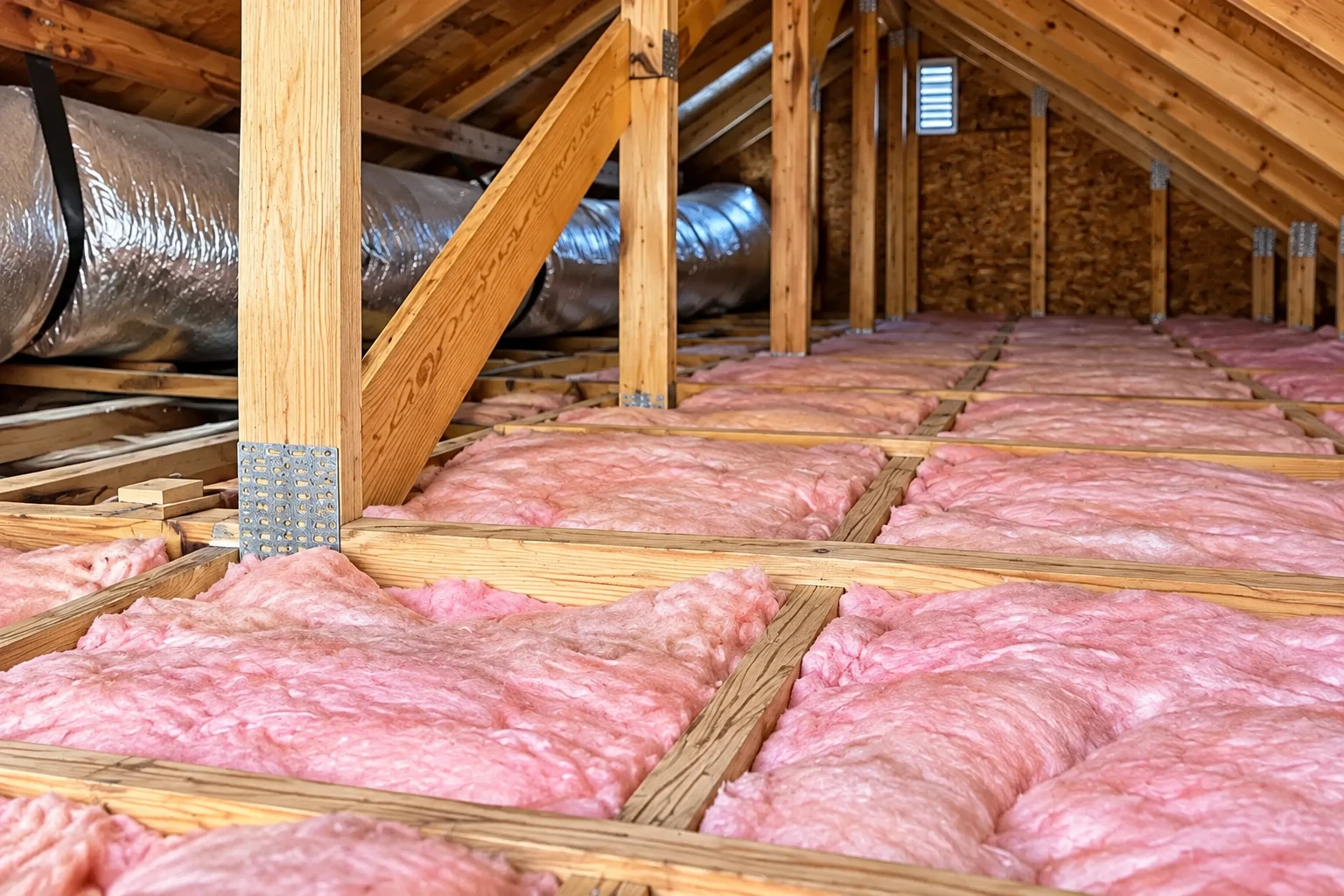
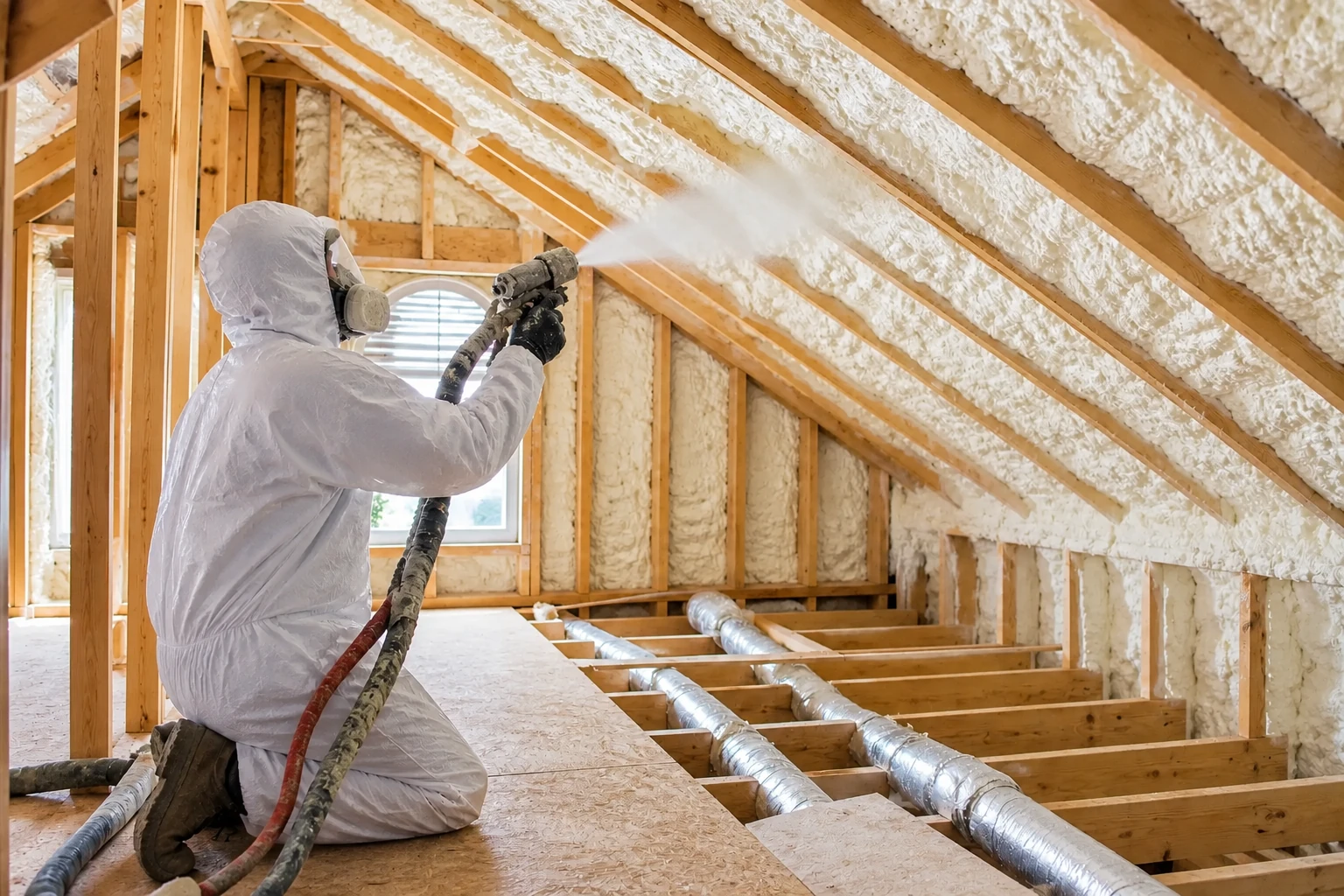
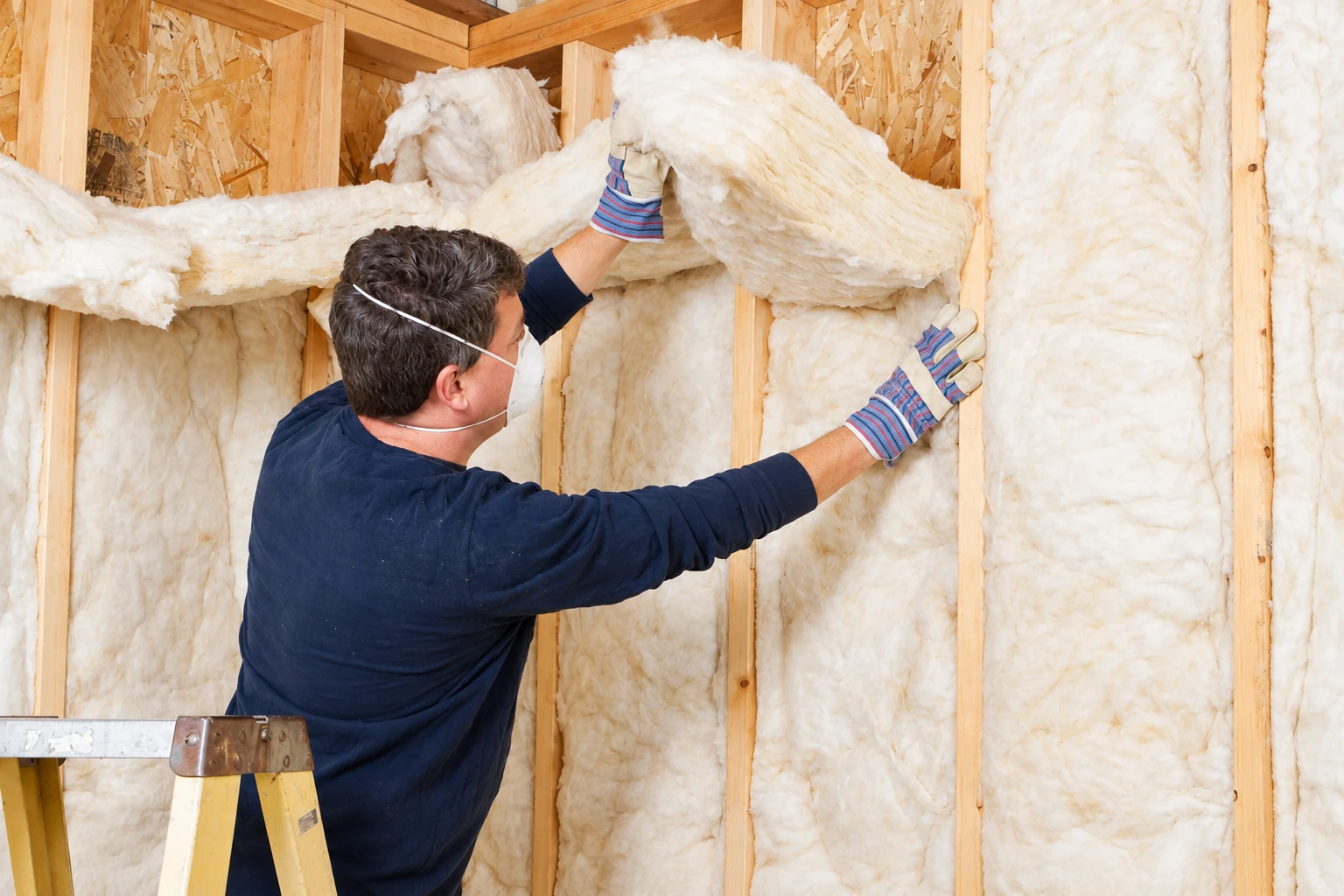
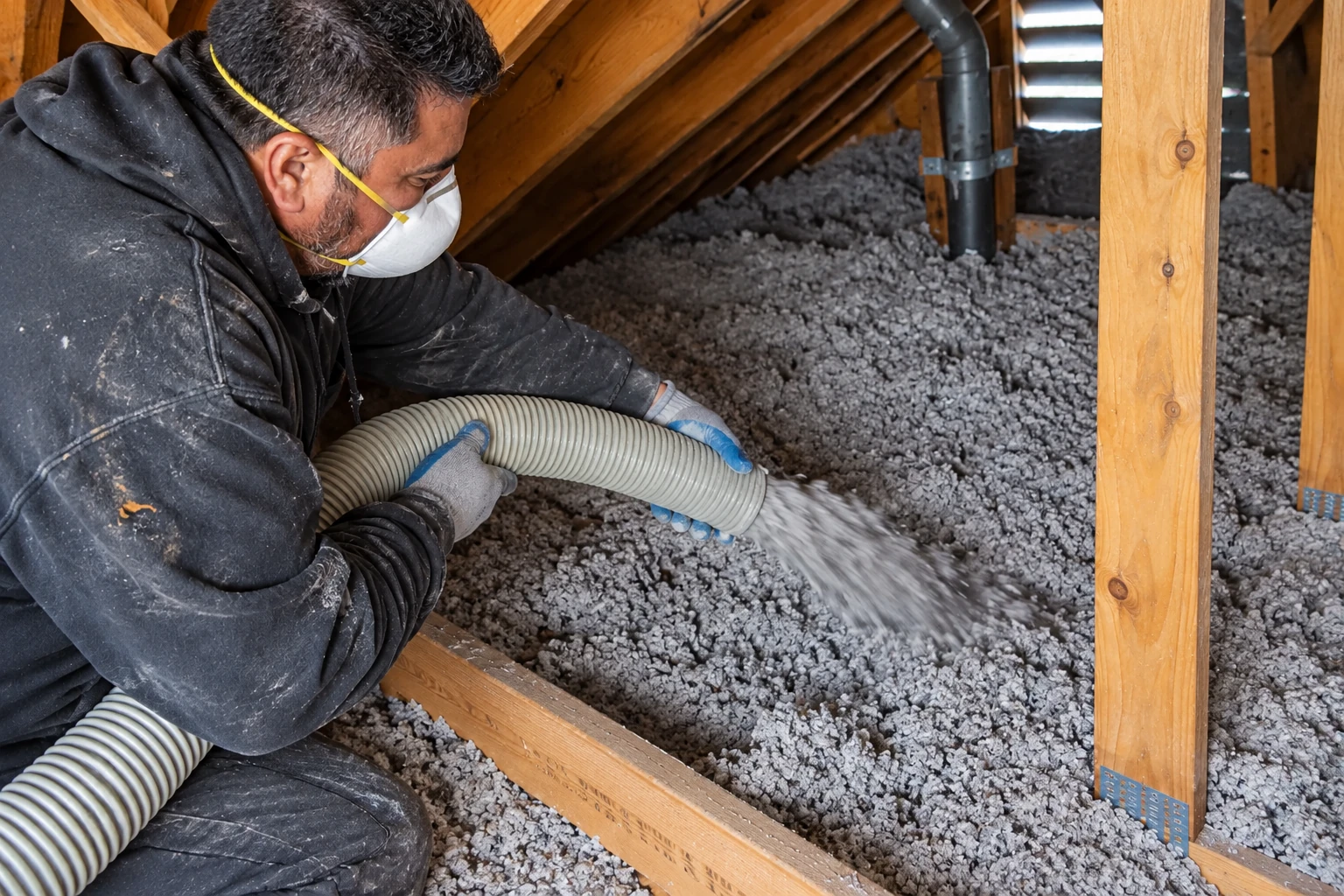
The plastic only handles what comes up from the ground. Warm air leaking out the top of a house gets replaced from below, so attic air sealing often pairs well with it. If you're adding retrofit insulation to an older house, I'd rather get the crawl space dry first, so the new insulation isn't sitting over damp ground.