
Spray foam insulation
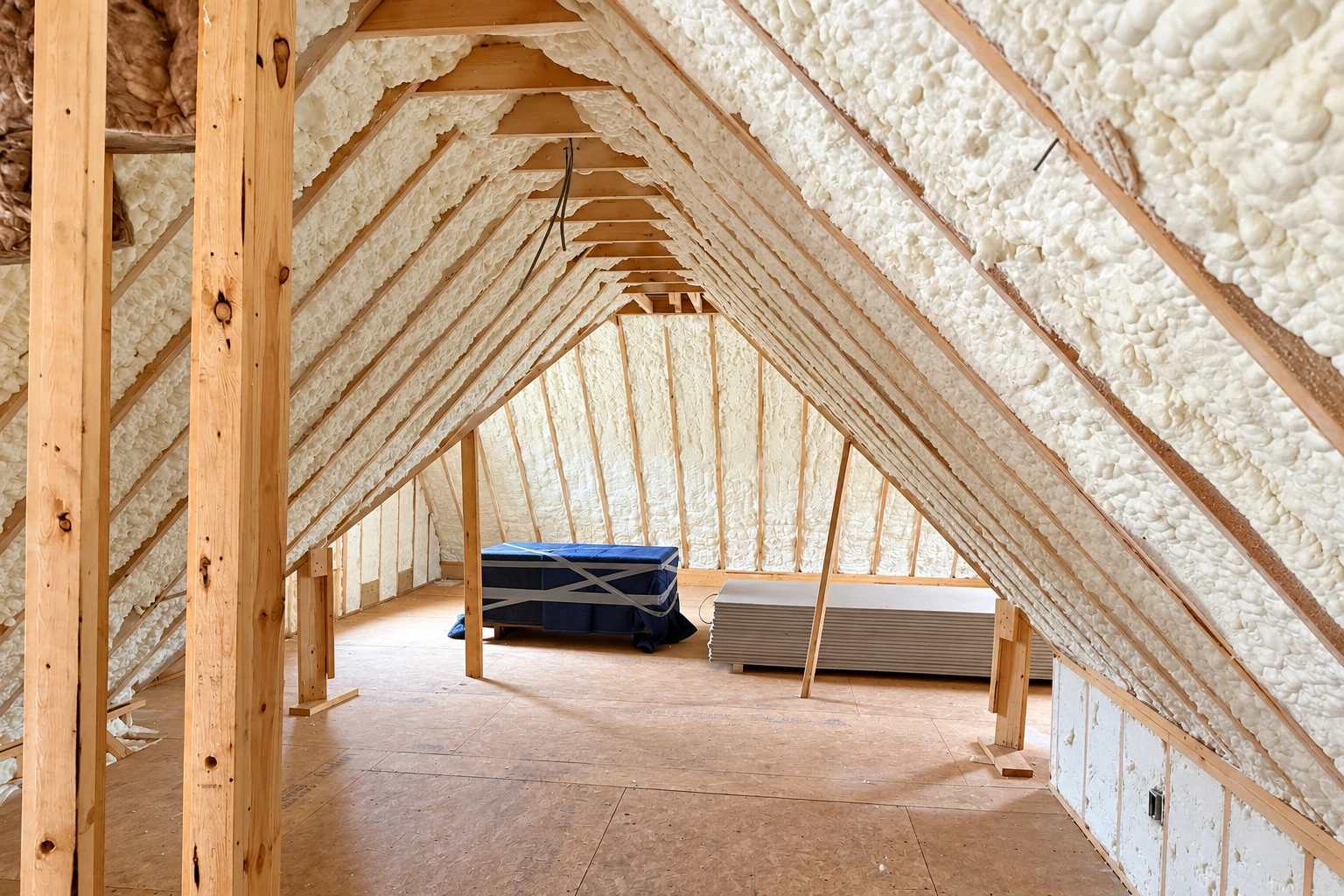
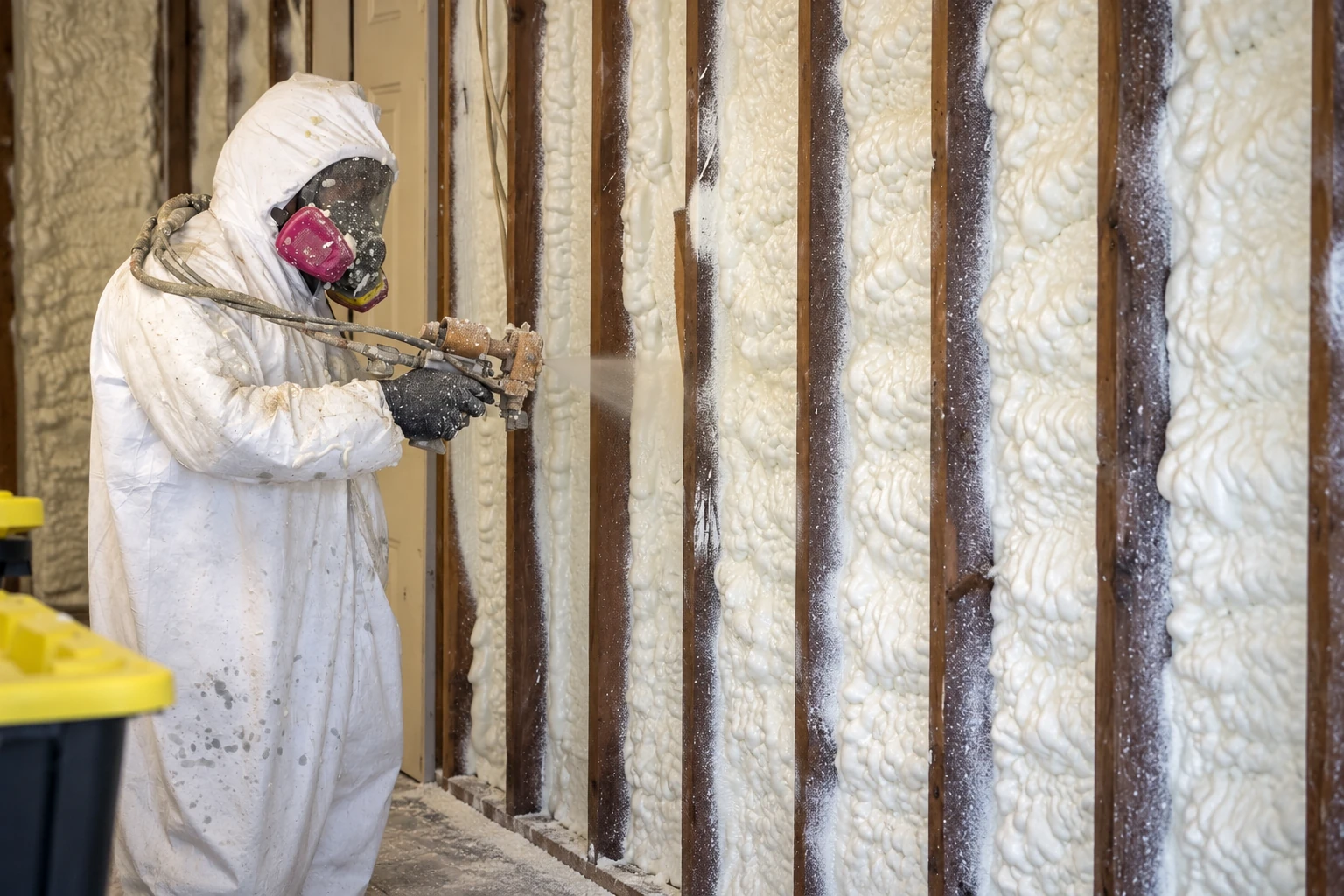
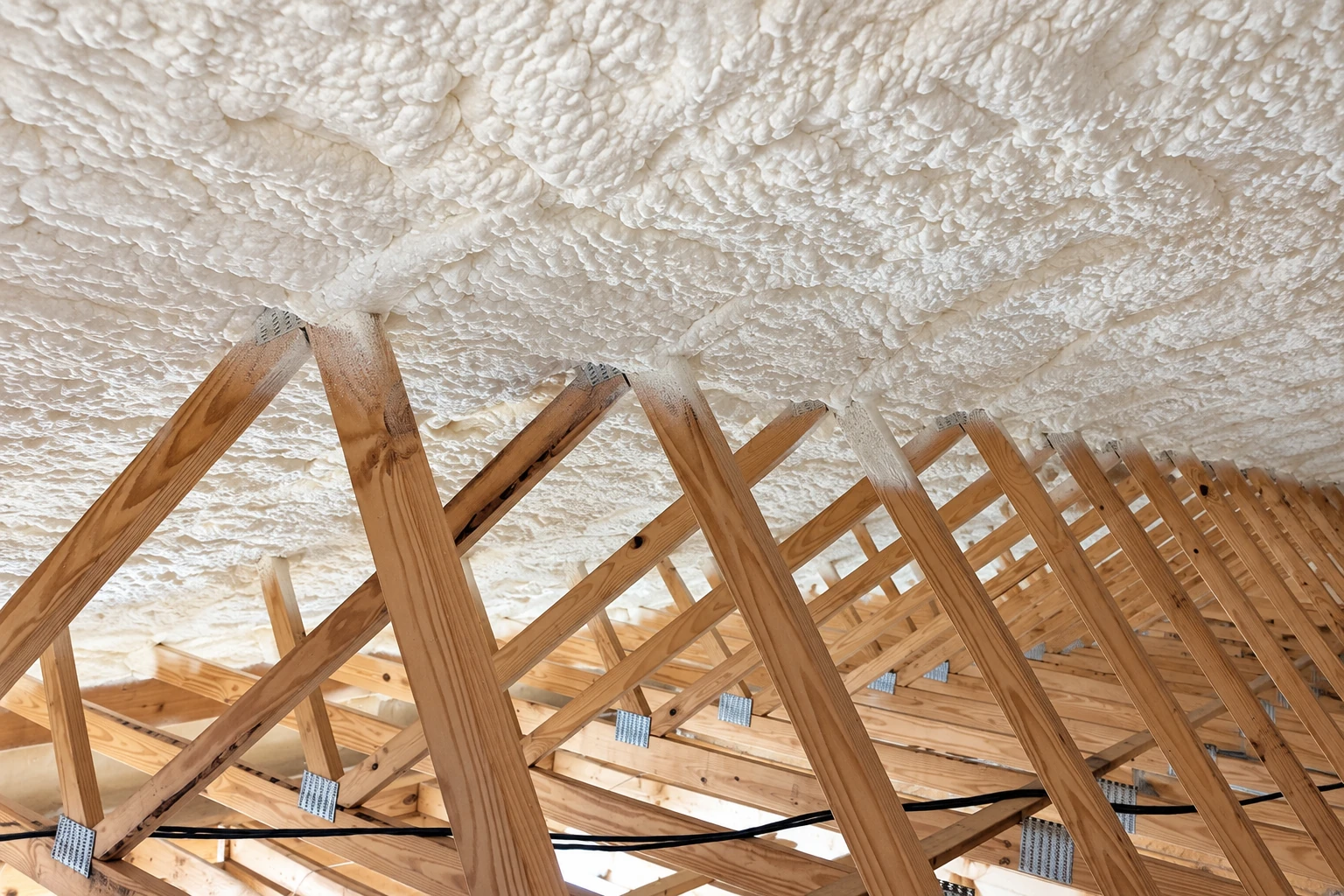
Spray foam seals and insulates in one coat, so it fits rooflines, tight framing and odd corners in Orland houses where loose fill won't stay put.
Professional Chico Spray Foam Insulation is an insulation contractor working in Orland, CA. We insulate and air seal attics, crawl spaces and walls, and we remove old insulation that's wet, dirty or packed down.
Professional Chico Spray Foam Insulation does attic, crawl space and wall insulation in Orland, plus air sealing, which is closing the gaps where air leaks through before any insulation goes in. Most calls start with a drafty room, cold floors or a power bill that keeps climbing, and I come out to look before anyone guesses at a fix.
Many of the Orland houses we work on are older, and plenty sit on raised floors over a crawl space. That gives us two places to look, because cold floors usually start underneath while a hot upstairs or the room over the garage usually traces back to the attic. I'd rather check both ends of the house than sell you a fix for half of it.
We're based in Chico, and Orland is one of the cities around it where we do this work, along with Willows and Corning. If your house sits just outside Orland and you're not sure we cover it, give us a call and ask. Chances are we're already working nearby.
Spray foam seals and insulates in one coat, so it fits rooflines, tight framing and odd corners in Orland houses where loose fill won't stay put.
For an Orland attic with a few inches of old, settled material, we seal the gaps, keep the eave vents open and bring the edges up as deep as the middle.
Blown-in insulation is loose fill blown through a hose, and it's usually the simplest way to top up an attic that's thin but still dry and clean.
When several rooms feel drafty and you don't know where to start, I walk the attic, walls and crawl space and tell you which one to fix first.
Old insulation that's been soaked or is full of droppings comes out before anything new goes in, so the problem doesn't stay hidden under fresh material.
Cold floors in an older Orland house often come from the crawl space, where batts have sagged, fallen out of the joists or were never put in.
Older outside walls are often empty or thinly filled, and we can usually fill those cavities through small holes that get patched when we're done.
We close the gaps around pipes, wiring, can lights and the attic hatch, because new insulation can't do much while air is blowing straight through it.
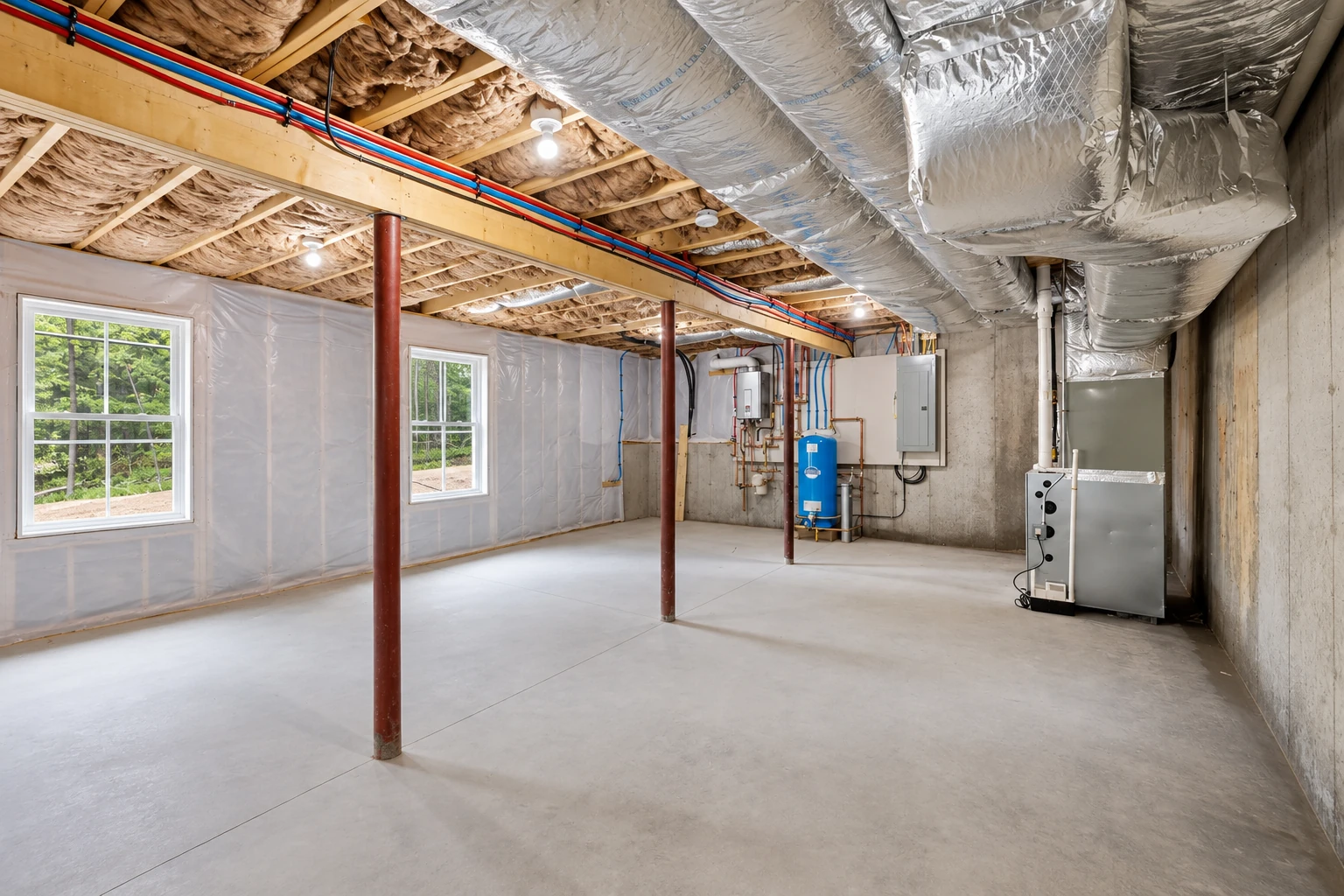
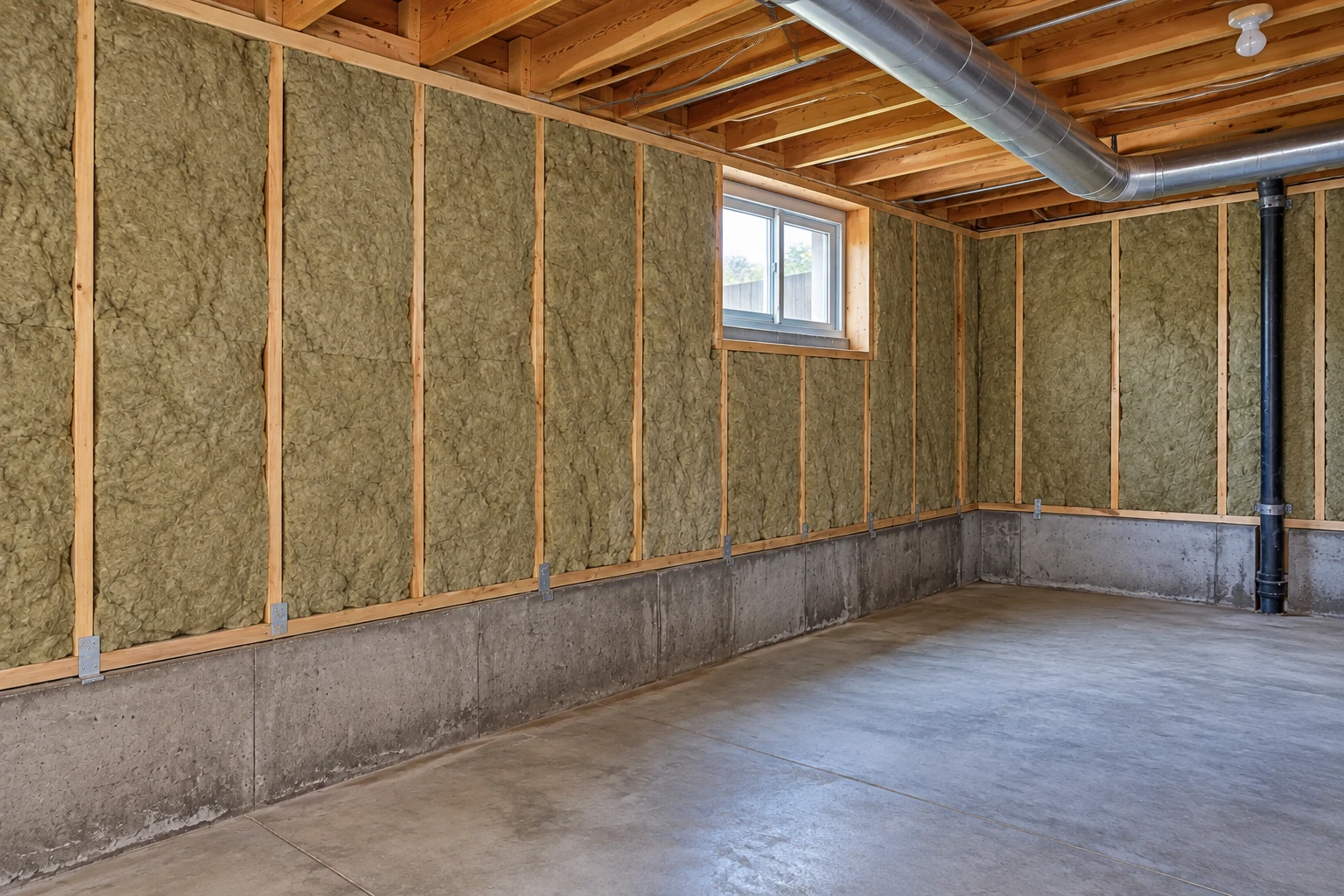
Few Orland houses we see have basements, but where one does, we insulate the walls and the band of framing on top so the space feels less damp.
Closed-cell foam is a dense foam that blocks moisture, so it suits crawl space walls and other spots where damp air would soak into softer insulation.
Open-cell foam is lighter and costs less than closed-cell, and it works well on attic rooflines and inside walls where moisture isn't the main worry.
For shops, offices and farm buildings in and around Orland, I look at how the space is used first, then quote insulation that fits it.
A plastic sheet over the crawl space dirt keeps ground moisture from rising into the floor framing and the insulation above it, which matters under older raised floors.
Where moisture could collect inside insulation, we add a vapor barrier on the correct side, which depends on the space and the material we're using.
Before anything goes into an Orland attic, we seal the open tops of walls, the gaps around ducts and pipes, and the hatch itself.
Retrofit insulation adds coverage to a finished, lived-in house, so we work through the attic, crawl space and wall cavities without turning it into a remodel.
We reply to calls and messages within one business day. I come out to your Orland house myself, look at the attic and crawl space, and write the estimate right there. It's free, and there's no obligation to book anything.
(530) 399-1513Inside Orland city limits, the City of Orland Building Department reviews building permit applications for building work. If your job needs a permit, we handle the application and the inspection, and I'll tell you up front which office covers your address. A permit adds the city's review and an inspection to the schedule, so I plan our start date around it instead of guessing.
The city says any business that completes work in Orland, including one based somewhere else, is responsible for holding a current City of Orland business license. That's worth asking any contractor about before you sign, along with whether they're licensed and insured. We're licensed and insured, and I'm happy to show you.
Price and schedule work the same way here as in Palermo or Chico. The size of the attic or crawl space, old insulation that has to come out, how many gaps need sealing and foam versus loose fill are what move the price. The schedule turns on the permit, on removal, and on whether another trade has to fix something first. My estimate gives you the figure for your house.
I grew up on my family's farm, where you fixed things right the first time because nobody was coming to fix them twice. I learned insulation on other contractors' crews and started this insulation business in Chico in 2020. We're known for careful attic and crawl space work where nothing gets skipped.
I'm the one who comes out to look at your house and write the estimate. Our crew lead and installers do the work, and I check it before we call the job done. If your house needs another trade first, say a roof leak or wiring that shouldn't be buried, I'll tell you and wait rather than insulate over it.
Our promise is satisfaction guaranteed on every job. Call (530) 399-1513 or send us the form and tell me what's going on in your house.
These are the things we check on nearly every Orland insulation job, because each one decides whether new insulation actually works or just covers up a problem.
When the material up there has been soaked by a leak or is full of rodent droppings, putting fresh insulation on top just hides the problem. We pull it out and clean up before anything new goes in, and if the cause is a roof leak or pests, that gets handled first. I'll show you what I found so you're not just taking my word for it.
Air leaks around can lights, plumbing pipes, wiring holes and the attic hatch let air move right through insulation, so even a thick layer can leave a room drafty. We seal those gaps first, which is often the cheapest part of the job and the part that makes the most difference. Then we add insulation, based on the inches already up there.
A common mistake is piling insulation deep in the middle of the attic and leaving the edges thin, which is backward, because the rooms under those edges need it just as much. The other one is burying the eave vents. We keep those vents open with baffles, short channels that hold insulation back, so the attic can breathe and moisture doesn't show up in the framing.
Foam costs more than loose fill, but it seals air while it insulates. For most attics, I'd seal the gaps and top up with blown-in insulation, because that's the better value. The exception is when your heating and cooling ducts run through the attic, since foam on the roofline brings them inside the insulated space, and then foam usually earns its price.
I can't give you an honest price until I've seen your attic, so the figure comes from the estimate visit. I measure the inches already up there, check whether anything has to come out and look at the gaps. A lot of the time the cheaper option, sealing and topping up, is the right one, and I'll tell you when it is.
Clear a path to the attic hatch or crawl space door and move anything stored right under it, because our crew needs room for hoses and equipment. Keep pets in a closed room or out of the house for the day, and cover things in any closet with a ceiling hatch, since a little dust can drift down.
It's shortest for a dry attic that just needs sealing and a top-up, and longer when old insulation has to come out or we're spraying foam. I'll tell you how long your job should take when I write the estimate, once I've seen how much is up there and how hard it is to reach.
Usually yes for spray foam, and usually not for blown-in insulation. Foam has a re-entry time, which is when it's safe to come back inside, and it's set by the foam maker's instructions. We follow it for everyone, kids and pets included, and I'll give you the hours ahead of time so you can plan around them.
The city offers inspections Monday through Thursday, and Friday inspections are by appointment only. When your job has a permit, we set up the inspection and plan our work around those days, so the final check doesn't leave your attic hatch open longer than it needs to be.
If the city issues a notice to correct for work done without a valid permit, it gives no less than seven and no more than thirty calendar days to apply, unless the code says otherwise. A stop order comes with that notice and stays in place while the application is reviewed, which is why I settle the permit question before we start.
We pick up from 8 AM to 9 PM every day, so you can call (530) 399-1513 after work or send the form tonight.